
The SaviMade egg compendium: 4422 bird eggs, drawn at true relative size, with the measurements behind our 3D-printable eggs, the colours behind our egg posters, and where every number came from.
3D print any bird egg. Every egg in the compendium can be made into a 3D-printable model (an STL file) in our Egg Generator: pick the bird, check the size, and download a file ready for your slicer, for an FDM or resin printer. Use it for a nature table, a classroom, a museum display, decoy or replacement eggs for a collection, painting practice, or a set of eggs printed at true relative size. Each egg below has a Make a 3D-printable copy link that opens it there.
What this page is for. We built the compendium to show our sources. For each egg it lists where the length and width used for our 3D-printable models came from, and where the colour and markings used for our illustrated egg posters came from, so you can check them yourself.
Can’t find your egg? The collection doesn’t have every bird in the world yet. If you know your egg’s length and width, you can make it yourself in the Egg Generator: type in the measurements, adjust the shape until it matches, and download your own 3D-printable egg.
About this collection. 4,422 eggs, covering nearly every bird that nests in the Americas, from Canada and the United States through Mexico, Central America and the Caribbean to South America, plus a few famous eggs from elsewhere, like the Ostrich and the extinct Elephant Bird. Sizes come from published measurements wherever we found them; shapes and colours are our best estimates (how accurate these eggs are).
2,147 of them are marked Speculative: we haven't found documented descriptions or measurements of these eggs yet (for 133 of them, a source we checked reports the egg as undescribed), so they are estimated from their closest relatives. They are hidden unless you untick Hide speculative eggs. We keep adding sources and update the eggs as we go. Have you seen one of these eggs, or know a source? Message us.
Bird egg families


 Albatrosses, petrels, gannets & penguins65 eggs · 25.8–119 mm long


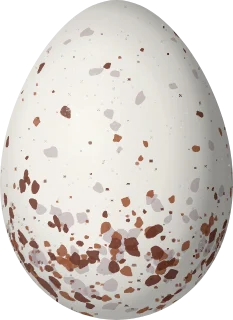 Antbirds237 eggs · 15.9–35.5 mm long


 Antpittas, antthrushes & tapaculos160 eggs · 19.9–39.1 mm long

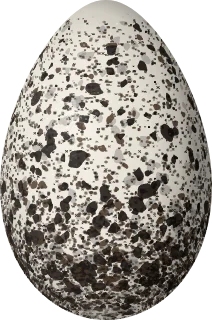
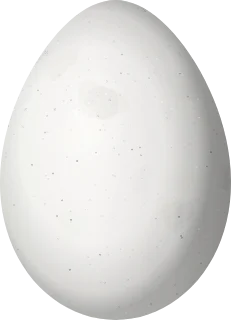 Auks, murres & puffins22 eggs · 39.5–124 mm long


 Blackbirds & orioles105 eggs · 19.7–38.1 mm long


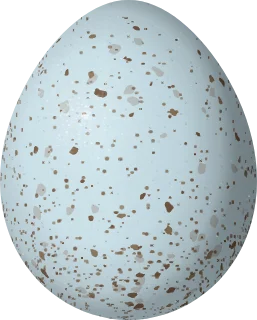 Cardinals & grosbeaks51 eggs · 17.8–30 mm long


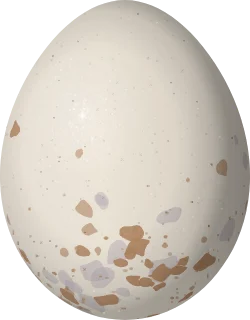 Chickadees, nuthatches & kinglets27 eggs · 13.3–25.9 mm long


 Cotingas, manakins & becards155 eggs · 14.7–56 mm long


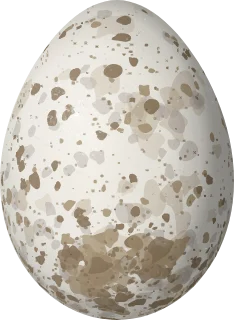 Crows, jays & magpies52 eggs · 26–49.5 mm long


 Cuckoos & roadrunners36 eggs · 19.9–43.2 mm long


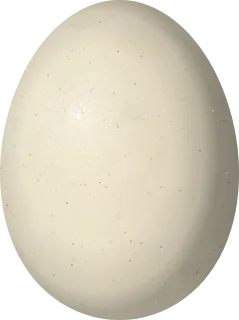 Ducks, geese & swans88 eggs · 45.8–114.5 mm long
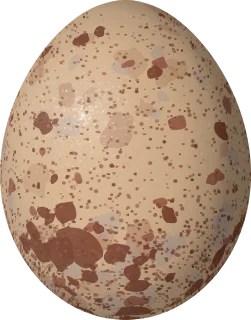

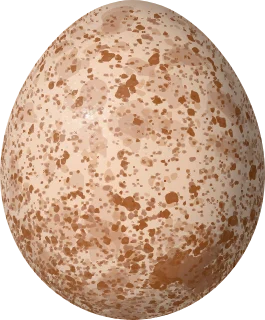 Falcons26 eggs · 35–63.4 mm long


 Finches & House Sparrow87 eggs · 12.8–26 mm long


 Flycatchers & kingbirds443 eggs · 13.8–32.3 mm long
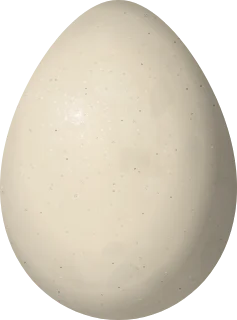

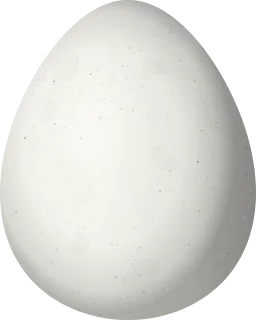 Gamebirds & poultry55 eggs · 29–70.1 mm long


 Guans, chachalacas & curassows55 eggs · 48.6–92.2 mm long
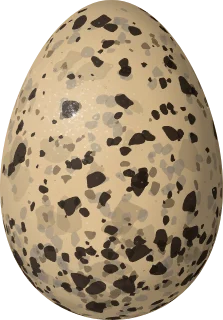
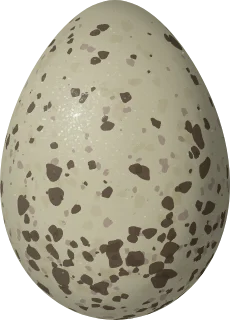
 Gulls, terns & jaegers62 eggs · 27.5–77.9 mm long
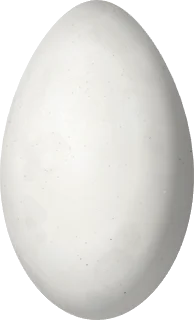

 Herons, ibises & storks45 eggs · 31–91.3 mm long

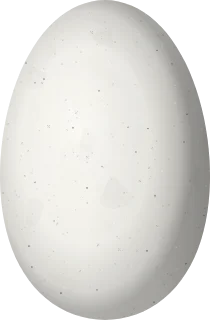
 Hummingbirds351 eggs · 10–17.5 mm long
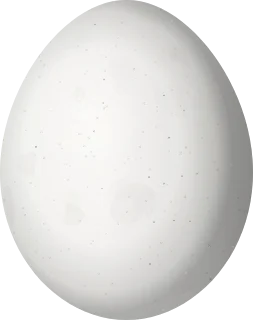

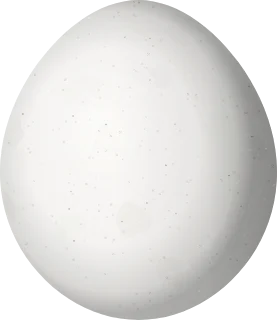 Kingfishers, motmots & todies25 eggs · 15.6–43.7 mm long


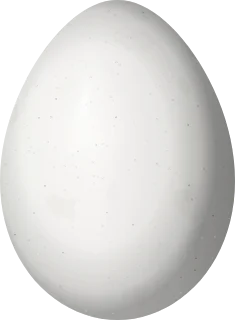 Larks & swallows36 eggs · 16.6–24.5 mm long
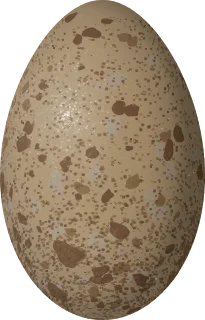

 Loons & grebes19 eggs · 33.9–89 mm long

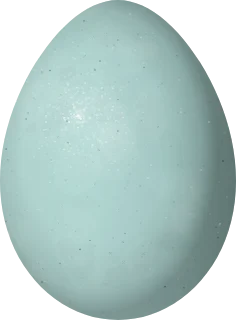
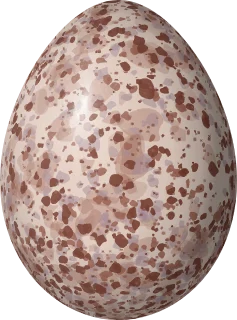 Mockingbirds, catbirds & thrashers35 eggs · 23.2–32 mm long
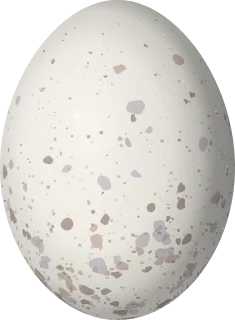
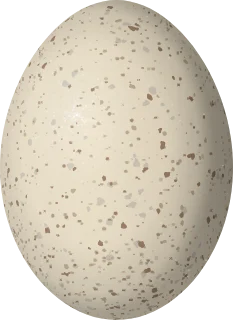
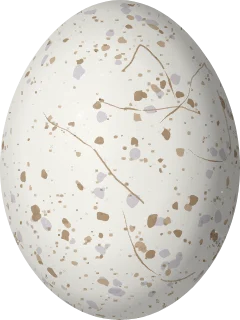 Nightjars & nighthawks54 eggs · 23.9–52.1 mm long
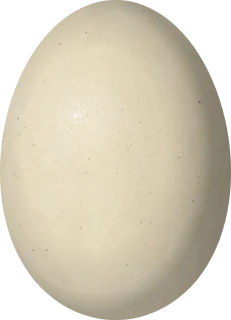

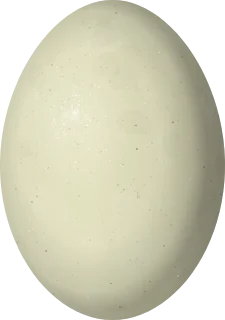 Ostriches, emus & relatives7 eggs · 122.5–340 mm long
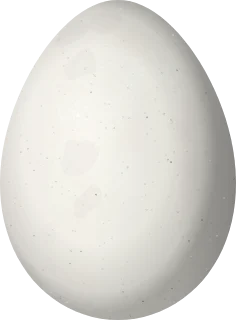
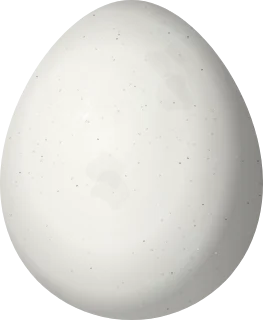
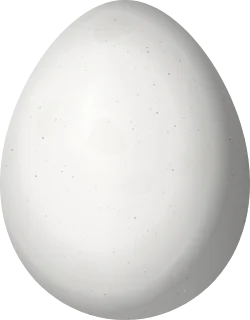 Ovenbirds & woodcreepers311 eggs · 16.9–35.9 mm long
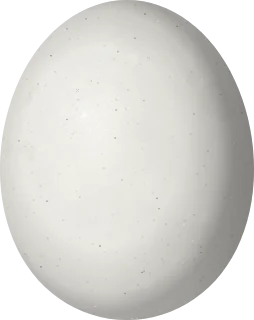
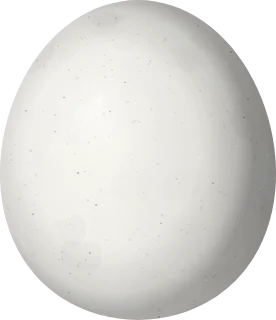
 Owls74 eggs · 26–56.4 mm long


 Parrots163 eggs · 17.5–57 mm long

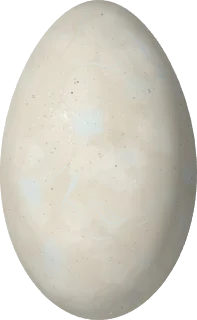
 Pelicans & cormorants20 eggs · 52.5–90 mm long
 Pigeons & doves75 eggs · 20.1–43.7 mm long
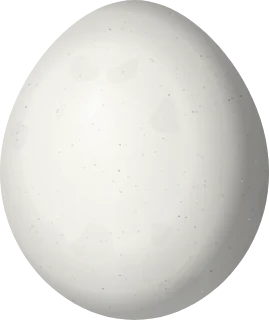
 Puffbirds & jacamars54 eggs · 20.1–28.2 mm long


 Rails, coots & cranes65 eggs · 24.6–98.4 mm long
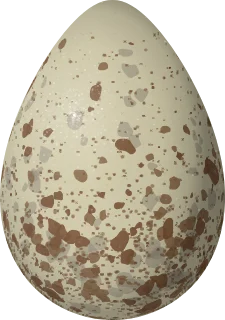
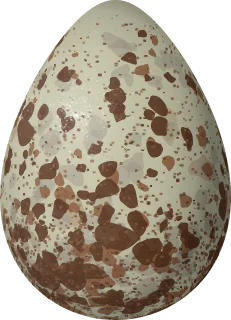
 Shorebirds84 eggs · 28.4–65 mm long


 Shrikes & vireos58 eggs · 17.4–26.7 mm long
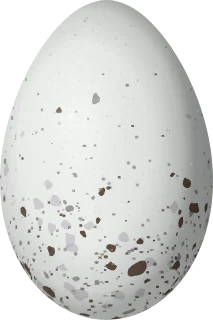

 Sparrows, juncos & longspurs138 eggs · 17–29.2 mm long
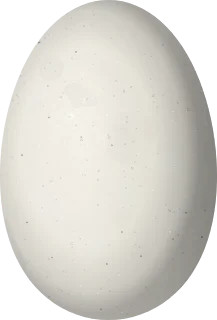

 Swifts32 eggs · 16–32.6 mm long

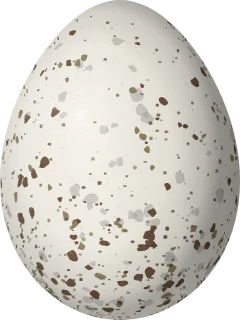
 Tanagers & seedeaters396 eggs · 15.6–30 mm long
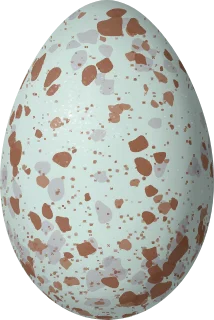
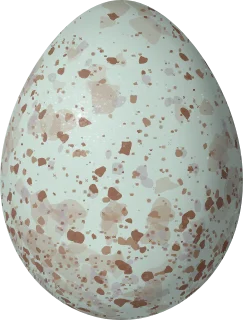
 Thrushes & bluebirds73 eggs · 19.1–36.1 mm long

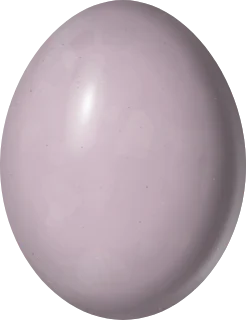
 Tinamous46 eggs · 34.7–72.1 mm long

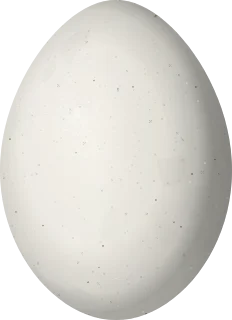
 Toucans & barbets52 eggs · 20.7–46 mm long


 Trogons32 eggs · 25.7–38.4 mm long
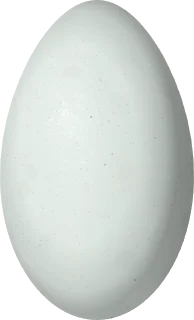
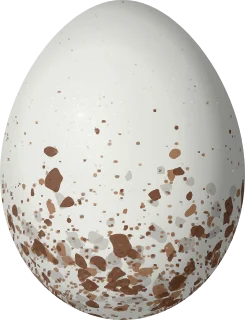
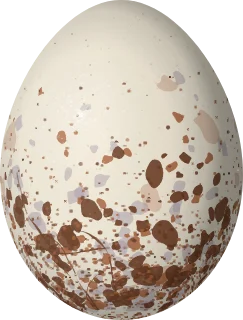 Vultures, hawks & eagles80 eggs · 34.9–110.2 mm long


 Warblers116 eggs · 14.6–21.9 mm long

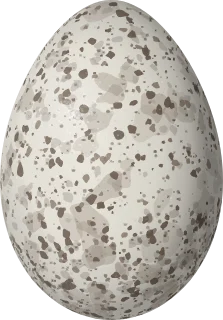
 Waxwings, starlings & pipits22 eggs · 17.3–31.9 mm long


 Woodpeckers125 eggs · 14.6–34.9 mm long
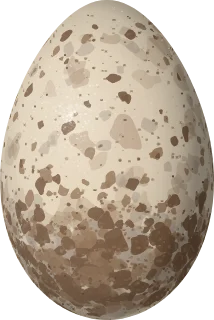
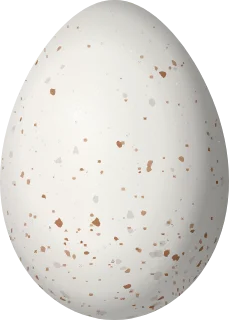
 Wrens & gnatcatchers108 eggs · 13.5–26.2 mm long
How accurate are these eggs?
We work hard to get these eggs right, but we can’t guarantee that any of them are accurate. Real eggs vary, even within one nest, and published figures vary between sources. How sure we are depends on the number:
- Length and width: fairly confident. These come from published averages of measured eggs, and the source is given for every egg. Where no published average could be found (only a range or a rounded figure), the size is marked approx.; where no measurements at all could be found, it is estimated from related birds and marked estimated.
- Diameter location and end roundness: less confident. These two numbers set the egg’s taper (where its widest point sits and how pointed the ends are). Sources rarely give them, so they’re estimated from the typical egg shape of the bird’s group (how the eggs are drawn).
- Colours and markings: least confident. The illustrations follow written descriptions and, where we could find them, photos of real eggs. Each one shows a typical egg; the real eggs of many birds range widely in colour and pattern.
- Speculative eggs. For some birds we haven't found a documented description or measurements of the egg yet. Usually the information exists somewhere and we just haven't found it; a few eggs are reported as undescribed in the sources we checked, and we say so. Rather than leave these eggs out, we estimate them from their closest relatives and label them Speculative. Treat them as a best guess: the estimates are updated as related birds' eggs are measured, and replaced as soon as we find a real source.
If you spot a mistake or have a better source, please let us know.
Using these illustrations
Use these egg illustrations any way you like, including in your own work and things you sell, as long as you clearly credit Savi Made wherever they are displayed, sold or used publicly. Print them, share them, put them on posters, cards or products, or use them in teaching and articles.
A credit like this is all we ask, shown with the picture: Egg illustration by Savi Made (savimade.ca). Online, please link it to savimade.ca. You can also read how the eggs are drawn or make a poster of any eggs you like.
How these eggs are drawn
Every egg here is drawn from four numbers. Two are measured: its length and its width, taken from published averages of real eggs, with the source given for each egg. The other two set the egg’s taper: how much wider one end is than the other, and how pointed the narrow end is. Published sources rarely give those, so they’re estimated from the typical shape of eggs in the bird’s group (plovers’ eggs are top-shaped, owls’ nearly round, and so on) and applied across that group. The same four numbers make the 3D-printable eggs and the poster outlines, so they all match.
The colours and markings in the illustrations follow each egg’s published description. Real eggs vary a lot, even within one nest; each illustration shows a typical egg.
The egg-shape formula
Every egg outline here comes from the egg-shape formula published by F. W. Preston in 1953, which he called the “standard avian egg-shape”. It is still regarded as one of the most accurate descriptions of the shape of birds’ eggs (Biggins et al. 2022). It uses four numbers:
- Length (L): the egg from end to end, in mm.
- Width (B): the egg across its widest part, in mm.
- End roundness (D): how blunt or pointed the two ends are. Half the length gives a plain oval; a smaller number makes both ends more pointed, and a larger one makes them blunter, up to a capsule shape at the full length.
- Diameter location (n): how much bigger one end is than the other. At 0 both ends are the same; higher numbers move the widest part towards the blunt end and taper the other end more. Most bird eggs are between about 0.5 and 3.
The outline is the egg’s radius r (half its width) at each point along its length:
r(t) = s · B⁄2 · √1 − t² · (1 + c1 t + c2 t²)
- t is the position along the egg, from −1 at the pointed end to +1 at the blunt end (t = 2x / L, where x is the distance from the middle in mm).
- c1 = n / 10 is Preston’s asymmetry term: it makes one end bigger than the other.
- c2 = D / L − ½ is his “biconical” term: it blunts or sharpens both ends equally.
- s scales the outline so that the widest part is exactly B.
With c1 and c2 both 0 the formula is a plain ellipse. The 3D egg is this outline spun around the egg’s long axis, and its volume is V = π∫r² dx, added up along the length.
Preston, F. W. (1953). The shapes of birds’ eggs. The Auk 70: 160–182.
Biggins, J. D., Montgomerie, R., Thompson, J. E. & Birkhead, T. R. (2022). Preston’s universal formula for avian egg shape. Ornithology 139(4): ukac028.
Every bird egg, A–Z
A
- Abert's Towhee
- Acadian Flycatcher
- Acorn Woodpecker
- Acre Antshrike
- Acre Tody-Tyrant
- Adelaide's Warbler
- African Collared Dove
- Agami Heron
- Agile Tit-Tyrant
- Ainley's Storm Petrel
- Alagoas Antwren
- Alagoas Tyrannulet
- Alder Flycatcher
- Aleutian Tern
- Allen's Hummingbird
- Allpahuayo Antbird
- Alta Floresta Antpitta
- Altamira Oriole
- Altamira Yellowthroat
- Amazilia Hummingbird
- Amazon Kingfisher
- Amazonian Antpitta
- Amazonian Antshrike
- Amazonian Barred Woodcreeper
- Amazonian Black Tyrant
- Amazonian Black-throated Trogon
- Amazonian Grosbeak
- Amazonian Inezia
- Amazonian Motmot
- Amazonian Plain Xenops
- Amazonian Pygmy Owl
- Amazonian Scrub Flycatcher
- Amazonian Streaked Antwren
- Amazonian Trogon
- Amazonian Umbrellabird
- American Avocet
- American Barn Owl
- American Bittern
- American Black Duck
- American Coot
- American Crow
- American Dipper
- American Flamingo
- American Golden-Plover
- American Goldfinch
- American Goshawk
- American Kestrel
- American Oystercatcher
- American Pipit
- American Pygmy Kingfisher
- American Redstart
- American Robin
- American Three-toed Woodpecker
- American Tree Sparrow
- American White Pelican
- American Wigeon
- American Woodcock
- American Yellow Warbler
- Amethyst Woodstar
- Amethyst-throated Mountaingem
- Amethyst-throated Sunangel
- Ampay Tapaculo
- Ancash Tapaculo
- Ancient Antwren
- Ancient Murrelet
- Andean Avocet
- Andean Cock-of-the-rock
- Andean Condor
- Andean Coot
- Andean Emerald
- Andean Flamingo
- Andean Flicker
- Andean Goose
- Andean Guan
- Andean Gull
- Andean Hillstar
- Andean Ibis
- Andean Lapwing
- Andean Motmot
- Andean Negrito
- Andean Parakeet
- Andean Potoo
- Andean Pygmy Owl
- Andean Siskin
- Andean Slaty Thrush
- Andean Solitaire
- Andean Swallow
- Andean Swift
- Andean Teal
- Andean Tinamou
- Andean Tit-Spinetail
- Anhinga
- Anna's Hummingbird
- Anthony's Nightjar
- Antillean Crested Hummingbird
- Antillean Nighthawk
- Antillean Palm Swift
- Antillean Piculet
- Antillean Siskin
- Antioquia Bristle Tyrant
- Antioquia Brushfinch
- Antioquia Wren
- Apical Flycatcher
- Aplomado Falcon
- Apolinar's Wren
- Apurimac Brushfinch
- Apurimac Spinetail
- Araripe Manakin
- Araucaria Tit-Spinetail
- Arctic Loon
- Arctic Tern
- Arctic Warbler
- Aripuana Antwren
- Arizona Woodpecker
- Arrowhead Piculet
- Arrowhead Warbler
- Ash-breasted Antbird
- Ash-breasted Sierra Finch
- Ash-breasted Tit-Tyrant
- Ash-browed Spinetail
- Ash-colored Cuckoo
- Ash-colored Tapaculo
- Ash-throated Antwren
- Ash-throated Casiornis
- Ash-throated Crake
- Ash-throated Flycatcher
- Ash-throated Gnateater
- Ash-winged Antwren
- Ashy Storm-Petrel
- Ashy-faced Owl
- Ashy-headed Goose
- Ashy-headed Greenlet
- Ashy-headed Tyrannulet
- Ashy-tailed Swift
- Ashy-throated Chlorospingus
- Atitlan Grebe
- Atlantic Black-throated Trogon
- Atlantic Plain Xenops
- Atlantic Puffin
- Atlantic Royal Flycatcher
- Atlantic White Tern
- Audubon's Oriole
- Austral Blackbird
- Austral Canastero
- Austral Negrito
- Austral Parakeet
- Austral Pygmy Owl
- Austral Rail
- Austral Thrush
- Ayacucho Antpitta
- Ayacucho Thistletail
- Azara's Spinetail
- Aztec Rail
- Aztec Thrush
- Azure Gallinule
- Azure Jay
- Azure-crowned Hummingbird
- Azure-hooded Jay
- Azure-naped Jay
- Azure-rumped Tanager
- Azure-shouldered Tanager
B
- Bachman's Sparrow
- Bachman's Warbler
- Bahama Mockingbird
- Bahama Oriole
- Bahama Swallow
- Bahama Warbler
- Bahama Woodstar
- Bahama Yellowthroat
- Bahia Antwren
- Bahia Spinetail
- Bahia Tapaculo
- Bahia Tyrannulet
- Baird's Flycatcher
- Baird's Junco
- Baird's Sandpiper
- Baird's Sparrow
- Baird's Trogon
- Bald Eagle
- Bald Parrot
- Balsas Screech Owl
- Baltimore Oriole
- Bamboo Antshrike
- Bamboo Foliage-gleaner
- Bananal Antbird
- Bananaquit
- Band-backed Wren
- Band-bellied Owl
- Band-rumped Storm Petrel
- Band-rumped Swift
- Band-tailed Antbird
- Band-tailed Antshrike
- Band-tailed Antwren
- Band-tailed Barbthroat
- Band-tailed Cacique
- Band-tailed Earthcreeper
- Band-tailed Fruiteater
- Band-tailed Guan
- Band-tailed Hornero
- Band-tailed Manakin
- Band-tailed Nighthawk
- Band-tailed Pigeon
- Band-tailed Seedeater
- Band-tailed Sierra Finch
- Band-winged Nightjar
- Banded Antbird
- Banded Cotinga
- Banded Ground Cuckoo
- Banded Quail
- Banded Wren
- Bank Swallow
- Bar-bellied Woodcreeper
- Bar-bellied Woodpecker
- Bar-breasted Piculet
- Bar-crested Antshrike
- Bar-tailed Godwit
- Bar-winged Oriole
- Bar-winged Wood Wren
- Barbados Bullfinch
- Barbuda Warbler
- Bare-crowned Antbird
- Bare-eyed Antbird
- Bare-eyed Pigeon
- Bare-faced Curassow
- Bare-faced Ground Dove
- Bare-faced Ibis
- Bare-legged Owl
- Bare-necked Fruitcrow
- Bare-necked Umbrellabird
- Bare-shanked Screech Owl
- Bare-throated Bellbird
- Bare-throated Tiger Heron
- Barn Swallow
- Barred Antshrike
- Barred Antthrush
- Barred Becard
- Barred Forest Falcon
- Barred Fruiteater
- Barred Hawk
- Barred Owl
- Barred Parakeet
- Barred Puffbird
- Barred Tinamou
- Barrow's Goldeneye
- Bartlett's Tinamou
- Bat Falcon
- Baudo Guan
- Baudo Oropendola
- Bay Antpitta
- Bay Hornero
- Bay Wren
- Bay-breasted Cuckoo
- Bay-breasted Warbler
- Bay-capped Wren-Spinetail
- Bay-chested Warbling Finch
- Bay-crowned Brushfinch
- Bay-headed Tanager
- Bay-ringed Tyrannulet
- Bay-vented Cotinga
- Bearded Bellbird
- Bearded Guan
- Bearded Mountaineer
- Bearded Screech Owl
- Bearded Tachuri
- Bearded Wood Partridge
- Beautiful Jay
- Beautiful Sheartail
- Beautiful Treerunner
- Beautiful Woodpecker
- Bee Hummingbird
- Belcher's Gull
- Belding's Yellowthroat
- Bell's Sparrow
- Bell's Vireo
- Belted Flycatcher
- Belted Kingfisher
- Bendire's Thrasher
- Berlepsch's Canastero
- Berlepsch's Tinamou
- Bertoni's Antbird
- Beryl-spangled Tanager
- Berylline Hummingbird
- Bewick's Wren
- Bicknell's Thrush
- Bicolored Antbird
- Bicolored Antpitta
- Bicolored Antvireo
- Bicolored Conebill
- Bicolored Hawk
- Bicolored Wren
- Biscutate Swift
- Black Antbird
- Black Antshrike
- Black Bushbird
- Black Caracara
- Black Catbird
- Black Curassow
- Black Flowerpiercer
- Black Guan
- Black Guillemot
- Black Hawk-Eagle
- Black Inca
- Black Jacobin
- Black Manakin
- Black Metaltail
- Black Noddy
- Black Nunbird
- Black Oropendola
- Black Oystercatcher
- Black Phoebe
- Black Rail
- Black Rosy-Finch
- Black Scoter
- Black Siskin
- Black Skimmer
- Black Solitaire
- Black Storm Petrel
- Black Swift
- Black Tern
- Black Thrush
- Black Tinamou
- Black Turnstone
- Black Vulture
- Black-and-chestnut Eagle
- Black-and-chestnut Warbling Finch
- Black-and-gold Cotinga
- Black-and-gold Tanager
- Black-and-rufous Warbling Finch
- Black-and-tawny Seedeater
- Black-and-white Antbird
- Black-and-white Becard
- Black-and-white Hawk-Eagle
- Black-and-white Monjita
- Black-and-white Owl
- Black-and-white Seedeater
- Black-and-white Tanager
- Black-and-white Tody-Flycatcher
- Black-and-white Warbler
- Black-and-yellow Phainoptila
- Black-and-yellow Tanager
- Black-backed Antshrike
- Black-backed Bush Tanager
- Black-backed Grosbeak
- Black-backed Oriole
- Black-backed Tanager
- Black-backed Thornbill
- Black-backed Tody-Flycatcher
- Black-backed Water Tyrant
- Black-backed Woodpecker
- Black-banded Crake
- Black-banded Owl
- Black-banded Woodcreeper
- Black-bellied Antwren
- Black-bellied Cuckoo
- Black-bellied Gnateater
- Black-bellied Hummingbird
- Black-bellied Plover
- Black-bellied Seedeater
- Black-bellied Thorntail
- Black-bellied Whistling-Duck
- Black-bellied Wren
- Black-billed Amazon
- Black-billed Cuckoo
- Black-billed Flycatcher
- Black-billed Magpie
- Black-billed Mountain Toucan
- Black-billed Nightingale-Thrush
- Black-billed Peppershrike
- Black-billed Scythebill
- Black-billed Seed Finch
- Black-billed Shrike-Tyrant
- Black-billed Thrush
- Black-billed Treehunter
- Black-bodied Woodpecker
- Black-breasted Hillstar
- Black-breasted Puffbird
- Black-breasted Puffleg
- Black-breasted Wood Quail
- Black-browed Albatross
- Black-capped Antwren
- Black-capped Becard
- Black-capped Chickadee
- Black-capped Donacobius
- Black-capped Flycatcher
- Black-capped Foliage-gleaner
- Black-capped Gnatcatcher
- Black-capped Hemispingus
- Black-capped Parakeet
- Black-capped Petrel
- Black-capped Piprites
- Black-capped Pygmy Tyrant
- Black-capped Screech Owl
- Black-capped Siskin
- Black-capped Sparrow
- Black-capped Swallow
- Black-capped Tanager
- Black-capped Tinamou
- Black-capped Tyrannulet
- Black-capped Vireo
- Black-capped Warbling Finch
- Black-cheeked Ant Tanager
- Black-cheeked Gnateater
- Black-cheeked Warbler
- Black-cheeked Woodpecker
- Black-chested Buzzard-Eagle
- Black-chested Fruiteater
- Black-chested Jay
- Black-chested Mountain Tanager
- Black-chested Sparrow
- Black-chested Tyrant
- Black-chinned Antbird
- Black-chinned Hummingbird
- Black-chinned Mountain Tanager
- Black-chinned Siskin
- Black-chinned Sparrow
- Black-collared Hawk
- Black-collared Jay
- Black-collared Swallow
- Black-cowled Oriole
- Black-cowled Saltator
- Black-crested Antshrike
- Black-crested Coquette
- Black-crested Finch
- Black-crested Tit-Tyrant
- Black-crested Titmouse
- Black-crested Warbler
- Black-crowned Antpitta
- Black-crowned Antshrike
- Black-crowned Monjita
- Black-crowned Night-Heron
- Black-crowned Palm-tanager
- Black-crowned Tityra
- Black-eared Fairy
- Black-eared Hemispingus
- Black-eared Warbler
- Black-eared Wood Quail
- Black-faced Antbird
- Black-faced Antthrush
- Black-faced Cotinga
- Black-faced Dacnis
- Black-faced Grassquit
- Black-faced Grosbeak
- Black-faced Hawk
- Black-faced Ibis
- Black-faced Sheathbill
- Black-faced Solitaire
- Black-faced Tanager
- Black-fronted Ground Tyrant
- Black-fronted Nunbird
- Black-fronted Piping Guan
- Black-fronted Tyrannulet
- Black-fronted Wood Quail
- Black-girdled Barbet
- Black-goggled Tanager
- Black-headed Antbird
- Black-headed Antthrush
- Black-headed Berryeater
- Black-headed Brushfinch
- Black-headed Duck
- Black-headed Grosbeak
- Black-headed Gull
- Black-headed Hemispingus
- Black-headed Nightingale-Thrush
- Black-headed Parrot
- Black-headed Saltator
- Black-headed Siskin
- Black-headed Tanager
- Black-headed Tody-Flycatcher
- Black-headed Trogon
- Black-hooded Antshrike
- Black-hooded Antwren
- Black-hooded Sierra Finch
- Black-hooded Sunbeam
- Black-hooded Tanager
- Black-hooded Thrush
- Black-legged Dacnis
- Black-legged Kittiwake
- Black-legged Seriema
- Black-masked Finch
- Black-necked Aracari
- Black-necked Red Cotinga
- Black-necked Stilt
- Black-necked Swan
- Black-necked Woodpecker
- Black-polled Yellowthroat
- Black-rumped Waxbill
- Black-spectacled Brushfinch
- Black-spotted Barbet
- Black-spotted Bare-eye
- Black-streaked Puffbird
- Black-striped Sparrow
- Black-striped Woodcreeper
- Black-tailed Antbird
- Black-tailed Gnatcatcher
- Black-tailed Leaftosser
- Black-tailed Myiobius
- Black-tailed Tityra
- Black-tailed Trainbearer
- Black-tailed Trogon
- Black-thighed Grosbeak
- Black-thighed Puffleg
- Black-throated Antbird
- Black-throated Antshrike
- Black-throated Blue Warbler
- Black-throated Brilliant
- Black-throated Flowerpiercer
- Black-throated Gray Warbler
- Black-throated Green Warbler
- Black-throated Grosbeak
- Black-throated Hermit
- Black-throated Huet-huet
- Black-throated Jay
- Black-throated Magpie-Jay
- Black-throated Mango
- Black-throated Saltator
- Black-throated Shrike-Tanager
- Black-throated Sparrow
- Black-throated Spinetail
- Black-throated Thistletail
- Black-throated Tody-Tyrant
- Black-throated Wren
- Black-tipped Cotinga
- Black-vented Oriole
- Black-vented Shearwater
- Black-whiskered Vireo
- Black-winged Ground Dove
- Black-winged Parrot
- Black-winged Saltator
- Blackburnian Warbler
- Blackish Antbird
- Blackish Cinclodes
- Blackish Nightjar
- Blackish Oystercatcher
- Blackish Pewee
- Blackish Rail
- Blackish Tapaculo
- Blackish-blue Seedeater
- Blackish-grey Antshrike
- Blackish-headed Spinetail
- Blackpoll Warbler
- Blacksmith Thrush
- Blaze-winged Parakeet
- Blond-crested Woodpecker
- Blood-colored Woodpecker
- Blood-eared Parakeet
- Blue Bunting
- Blue Cotinga
- Blue Dacnis
- Blue Finch
- Blue Grosbeak
- Blue Ground Dove
- Blue Jay
- Blue Manakin
- Blue Mockingbird
- Blue Mountain Elaenia
- Blue Mountain Vireo
- Blue Petrel
- Blue Seedeater
- Blue-and-black Tanager
- Blue-and-gold Tanager
- Blue-and-white Mockingbird
- Blue-and-white Swallow
- Blue-and-yellow Macaw
- Blue-and-yellow Tanager
- Blue-backed Conebill
- Blue-backed Manakin
- Blue-backed Tanager
- Blue-banded Toucanet
- Blue-bearded Helmetcrest
- Blue-bellied Parrot
- Blue-billed Black Tyrant
- Blue-billed Curassow
- Blue-billed White Tern
- Blue-black Grassquit
- Blue-black Grosbeak
- Blue-browed Tanager
- Blue-capped Manakin
- Blue-capped Motmot
- Blue-capped Puffleg
- Blue-capped Tanager
- Blue-cheeked Amazon
- Blue-chested Hummingbird
- Blue-chinned Sapphire
- Blue-crowned Chlorophonia
- Blue-crowned Parakeet
- Blue-crowned Trogon
- Blue-eyed Ground Dove
- Blue-footed Booby
- Blue-fronted Lancebill
- Blue-fronted Parrotlet
- Blue-gray Gnatcatcher
- Blue-grey Tanager
- Blue-headed Hummingbird
- Blue-headed Macaw
- Blue-headed Parrot
- Blue-headed Quail-Dove
- Blue-headed Sapphire
- Blue-headed Vireo
- Blue-lored Antbird
- Blue-mantled Thornbill
- Blue-naped Chlorophonia
- Blue-necked Jacamar
- Blue-necked Tanager
- Blue-rumped Manakin
- Blue-tailed Emerald
- Blue-tailed Hummingbird
- Blue-throated Hillstar
- Blue-throated Macaw
- Blue-throated Motmot
- Blue-throated Mountain-gem
- Blue-throated Piping Guan
- Blue-throated Sapphire
- Blue-throated Starfrontlet
- Blue-tufted Starthroat
- Blue-vented Hummingbird
- Blue-whiskered Tanager
- Blue-winged Macaw
- Blue-winged Mountain Tanager
- Blue-winged Teal
- Blue-winged Warbler
- Bluethroat
- Bluish Flowerpiercer
- Bluish-fronted Jacamar
- Bluish-grey Saltator
- Bluish-slate Antshrike
- Boa Nova Tapaculo
- Boat-billed Flycatcher
- Boat-billed Heron
- Boat-billed Tody-Tyrant
- Boat-tailed Grackle
- Bobolink
- Bogota Rail
- Bohemian Waxwing
- Bolivian Antpitta
- Bolivian Blackbird
- Bolivian Brushfinch
- Bolivian Earthcreeper
- Bolivian Recurvebill
- Bolivian Slaty Antshrike
- Bolivian Spinetail
- Bolivian Tapaculo
- Bolivian Tyrannulet
- Bolivian Warbling Finch
- Bonaparte's Gull
- Bonaparte's Parakeet
- Boreal Chickadee
- Boreal Owl
- Botteri's Sparrow
- Boucard's Wren
- Boulder Finch
- Bran-colored Flycatcher
- Brandt's Cormorant
- Brant
- Brasilia Tapaculo
- Brassy-breasted Tanager
- Brazilian Laniisoma
- Brazilian Merganser
- Brazilian Ruby
- Brazilian Tanager
- Brazilian Teal
- Brazilian Tinamou
- Brewer's Blackbird
- Brewer's Sparrow
- Bridled Quail-Dove
- Bridled Sparrow
- Bridled Tern
- Bridled Titmouse
- Bright-rumped Attila
- Bright-rumped Yellow Finch
- Bristle-thighed Curlew
- Broad-billed Hummingbird
- Broad-billed Motmot
- Broad-billed Tody
- Broad-tailed Hummingbird
- Broad-tipped Hermit
- Broad-winged Hawk
- Bronze Mannikin
- Bronze-green Euphonia
- Bronze-olive Pygmy Tyrant
- Bronze-tailed Comet
- Bronze-tailed Plumeleteer
- Bronze-tailed Thornbill
- Bronze-winged Duck
- Bronze-winged Parrot
- Bronzed Cowbird
- Bronzy Hermit
- Bronzy Inca
- Bronzy Jacamar
- Brown Booby
- Brown Cacholote
- Brown Creeper
- Brown Inca
- Brown Jacamar
- Brown Jay
- Brown Noddy
- Brown Nunlet
- Brown Pelican
- Brown Skua
- Brown Tanager
- Brown Thrasher
- Brown Tinamou
- Brown Trembler
- Brown Violetear
- Brown Wood Rail
- Brown-and-yellow Marshbird
- Brown-backed Chat-Tyrant
- Brown-backed Mockingbird
- Brown-backed Parrotlet
- Brown-backed Solitaire
- Brown-banded Antpitta
- Brown-banded Puffbird
- Brown-bellied Stipplethroat
- Brown-bellied Swallow
- Brown-billed Scythebill
- Brown-breasted Bamboo Tyrant
- Brown-capped Rosy-Finch
- Brown-capped Tit-Spinetail
- Brown-capped Tyrannulet
- Brown-capped Vireo
- Brown-capped Whitestart
- Brown-chested Barbet
- Brown-chested Martin
- Brown-crested Flycatcher
- Brown-flanked Tanager
- Brown-headed Cowbird
- Brown-headed Greenlet
- Brown-headed Nuthatch
- Brown-hooded Gull
- Brown-hooded Parrot
- Brown-rumped Foliage-gleaner
- Brown-rumped Tapaculo
- Brown-throated Parakeet
- Brown-winged Schiffornis
- Brownish Elaenia
- Brownish Twistwing
- Brownish-headed Antbird
- Brujo Flycatcher
- Brushland Tinamou
- Buckley's Forest Falcon
- Budgerigar
- Buff-banded Mountain Tanager
- Buff-banded Tyrannulet
- Buff-bellied Hermit
- Buff-bellied Hummingbird
- Buff-bellied Puffbird
- Buff-bellied Tanager
- Buff-breasted Earthcreeper
- Buff-breasted Flycatcher
- Buff-breasted Sabrewing
- Buff-breasted Sandpiper
- Buff-breasted Tody-Tyrant
- Buff-breasted Wren
- Buff-bridled Inca Finch
- Buff-browed Chachalaca
- Buff-browed Foliage-gleaner
- Buff-cheeked Greenlet
- Buff-cheeked Tody-Flycatcher
- Buff-collared Nightjar
- Buff-fronted Foliage-gleaner
- Buff-fronted Owl
- Buff-fronted Quail-Dove
- Buff-necked Ibis
- Buff-rumped Warbler
- Buff-tailed Coronet
- Buff-tailed Sicklebill
- Buff-thighed Puffleg
- Buff-throated Purpletuft
- Buff-throated Saltator
- Buff-throated Tody-Tyrant
- Buff-throated Warbling Finch
- Buff-throated Woodcreeper
- Buff-winged Cinclodes
- Buff-winged Starfrontlet
- Bufflehead
- Buffy Helmetcrest
- Buffy Hummingbird
- Buffy Tuftedcheek
- Buffy-crowned Wood Partridge
- Buffy-fronted Seedeater
- Buller's Shearwater
- Bullock's Oriole
- Bumblebee Hummingbird
- Burnished-buff Tanager
- Burrowing Owl
- Burrowing Parrot
- Bushtit
- Bushy-crested Jay
- Butterfly Coquette
C
- Caatinga Antwren
- Caatinga Cacholote
- Caatinga Parakeet
- Cabanis's Ground Sparrow
- Cabanis's Spinetail
- Cabanis's Wren
- Cackling Goose
- Cactus Canastero
- Cactus Wren
- Caica Parrot
- Cajamarca Antpitta
- California Condor
- California Gnatcatcher
- California Gull
- California Quail
- California Scrub-Jay
- California Thrasher
- California Towhee
- Calliope Hummingbird
- Campina Thrush
- Campo Flicker
- Campo Miner
- Campo Troupial
- Canada Goose
- Canada Jay
- Canada Warbler
- Canebrake Groundcreeper
- Canebrake Wren
- Canivet's Emerald
- Canvasback
- Canyon Canastero
- Canyon Towhee
- Canyon Wren
- Cape May Warbler
- Capped Conebill
- Capped Heron
- Capuchinbird
- Caracas Brushfinch
- Caracas Tapaculo
- Carbonated Sierra Finch
- Carib Grackle
- Caribbean Dove
- Caribbean Elaenia
- Caribbean Martin
- Carmiol's Tanager
- Carolina Chickadee
- Carolina Parakeet
- Carolina Wren
- Carriker's Mountain Tanager
- Carrizal Seedeater
- Carunculated Caracara
- Caspian Tern
- Casqued Cacique
- Cassia Crossbill
- Cassin's Auklet
- Cassin's Finch
- Cassin's Kingbird
- Cassin's Sparrow
- Cassin's Vireo
- Castelnau's Antshrike
- Cattle Egret
- Cattle Tyrant
- Cauca Guan
- Caura Antbird
- Cave Swallow
- Cayenne Jay
- Cayenne Nightjar
- Ceara Gnateater
- Ceara Woodcreeper
- Cedar Waxwing
- Central American Pygmy Owl
- Cerulean Warbler
- Cerulean-capped Manakin
- Chachapoyas Antpitta
- Chaco Chachalaca
- Chaco Eagle
- Chaco Earthcreeper
- Chaco Owl
- Chaco Sparrow
- Chalk-browed Mockingbird
- Chami Antpitta
- Channel-billed Toucan
- Chapada Flycatcher
- Chapman's Antshrike
- Chapman's Bristle Tyrant
- Chapman's Swift
- Charming Hummingbird
- Chattering Gnatwren
- Checker-throated Stipplethroat
- Checkered Woodpecker
- Cherrie's Antwren
- Cherry-throated Tanager
- Chestnut Antpitta
- Chestnut Munia
- Chestnut Piculet
- Chestnut Seedeater
- Chestnut Wood Quail
- Chestnut Woodpecker
- Chestnut-backed Antbird
- Chestnut-backed Antshrike
- Chestnut-backed Chickadee
- Chestnut-backed Tanager
- Chestnut-backed Thornbird
- Chestnut-bellied Cotinga
- Chestnut-bellied Cuckoo
- Chestnut-bellied Euphonia
- Chestnut-bellied Flowerpiercer
- Chestnut-bellied Guan
- Chestnut-bellied Hummingbird
- Chestnut-bellied Mountain Tanager
- Chestnut-bellied Seed Finch
- Chestnut-bellied Seedeater
- Chestnut-bellied Thrush
- Chestnut-belted Gnateater
- Chestnut-breasted Chlorophonia
- Chestnut-breasted Coronet
- Chestnut-breasted Mountain Finch
- Chestnut-capped Blackbird
- Chestnut-capped Brushfinch
- Chestnut-capped Piha
- Chestnut-capped Puffbird
- Chestnut-capped Warbler
- Chestnut-collared Longspur
- Chestnut-collared Swallow
- Chestnut-collared Swift
- Chestnut-colored Woodpecker
- Chestnut-crested Antbird
- Chestnut-crested Cotinga
- Chestnut-crowned Antpitta
- Chestnut-crowned Becard
- Chestnut-crowned Foliage-gleaner
- Chestnut-crowned Gnateater
- Chestnut-eared Aracari
- Chestnut-fronted Macaw
- Chestnut-headed Chachalaca
- Chestnut-headed Crake
- Chestnut-headed Nunlet
- Chestnut-headed Oropendola
- Chestnut-headed Tanager
- Chestnut-naped Antpitta
- Chestnut-rumped Woodcreeper
- Chestnut-shouldered Antwren
- Chestnut-sided Shrike-Vireo
- Chestnut-sided Warbler
- Chestnut-throated Huet-huet
- Chestnut-throated Seedeater
- Chestnut-throated Spinetail
- Chestnut-tipped Toucanet
- Chestnut-vented Conebill
- Chestnut-winged Chachalaca
- Chestnut-winged Cinclodes
- Chestnut-winged Foliage-gleaner
- Chestnut-winged Hookbill
- Chico's Tyrannulet
- Chiguanco Thrush
- Chihuahuan Meadowlark
- Chihuahuan Raven
- Chilean Flamingo
- Chilean Flicker
- Chilean Mockingbird
- Chilean Pigeon
- Chilean Seaside Cinclodes
- Chilean Skua
- Chilean Swallow
- Chilean Tinamou
- Chilean Woodstar
- Chiloe Wigeon
- Chimango Caracara
- Chimney Swift
- Chinchipe Spinetail
- Chipping Sparrow
- Chiribiquete Emerald
- Chiriqui Foliage-gleaner
- Chiriqui Quail-Dove
- Chivi Vireo
- Choco Black-throated Trogon
- Choco Elaenia
- Choco Manakin
- Choco Poorwill
- Choco Screech Owl
- Choco Sirystes
- Choco Tapaculo
- Choco Tinamou
- Choco Toucan
- Choco Trogon
- Choco Tyrannulet
- Choco Vireo
- Choco Woodpecker
- Chocolate-vented Tyrant
- Chopi Blackbird
- Chotoy Spinetail
- Christmas Shearwater
- Chubut Steamer Duck
- Chucao Tapaculo
- Chuck-will's-widow
- Chukar
- Chusquea Tapaculo
- Cinereous Antshrike
- Cinereous Becard
- Cinereous Conebill
- Cinereous Finch
- Cinereous Ground Tyrant
- Cinereous Harrier
- Cinereous Mourner
- Cinereous Owl
- Cinereous Tinamou
- Cinereous Tyrant
- Cinereous Warbling Finch
- Cinereous-breasted Spinetail
- Cinnamon Attila
- Cinnamon Becard
- Cinnamon Flycatcher
- Cinnamon Hummingbird
- Cinnamon Neopipo
- Cinnamon Screech Owl
- Cinnamon Tanager
- Cinnamon Teal
- Cinnamon Warbling Finch
- Cinnamon Woodpecker
- Cinnamon-bellied Flowerpiercer
- Cinnamon-bellied Ground Tyrant
- Cinnamon-bellied Saltator
- Cinnamon-breasted Tody-Tyrant
- Cinnamon-crested Spadebill
- Cinnamon-faced Tyrannulet
- Cinnamon-rumped Foliage-gleaner
- Cinnamon-rumped Seedeater
- Cinnamon-tailed Sparrow
- Cinnamon-throated Hermit
- Cinnamon-throated Woodcreeper
- Cinnamon-vented Piha
- Cipo Canastero
- Citreoline Trogon
- Citrine Warbler
- Citron-bellied Attila
- Citron-headed Yellow Finch
- Clapper Rail
- Clarion Wren
- Clark's Grebe
- Clark's Nutcracker
- Clay-colored Sparrow
- Clay-colored Thrush
- Cliff Flycatcher
- Cliff Parakeet
- Cliff Swallow
- Cloud-forest Pygmy Owl
- Cloud-forest Screech Owl
- Club-winged Manakin
- Coal-crested Finch
- Coastal Miner
- Cobalt-rumped Parrotlet
- Cobalt-winged Parakeet
- Cobb's Wren
- Cocha Antshrike
- Cochabamba Mountain Finch
- Cock-tailed Tyrant
- Cocoa Thrush
- Cocoa Woodcreeper
- Cocoi Heron
- Cocos Booby
- Cocos Cuckoo
- Cocos Finch
- Cocos Tyrannulet
- Coiba Spinetail
- Colima Pygmy Owl
- Colima Warbler
- Collared Antshrike
- Collared Aracari
- Collared Crescentchest
- Collared Forest Falcon
- Collared Gnatwren
- Collared Inca
- Collared Plover
- Collared Puffbird
- Collared Towhee
- Collared Trogon
- Collared Warbling Finch
- Collared Whitestart
- Colombian Chachalaca
- Colombian Crake
- Colombian Mountain Grackle
- Colorful Puffleg
- Comb Duck
- Common Black Hawk
- Common Cactus Finch
- Common Chlorospingus
- Common Cuckoo
- Common Diving Petrel
- Common Eider
- Common Gallinule
- Common Goldeneye
- Common Grackle
- Common Ground Dove
- Common Loon
- Common Merganser
- Common Miner
- Common Murre
- Common Nighthawk
- Common Pauraque
- Common Poorwill
- Common Potoo
- Common Raven
- Common Redpoll
- Common Ringed Plover
- Common Scale-backed Antbird
- Common Squirrel Cuckoo
- Common Tern
- Common Tody-Flycatcher
- Common Waxbill
- Common Yellowthroat
- Cone-billed Tanager
- Connecticut Warbler
- Cooper's Hawk
- Coopmans's Elaenia
- Copper Seedeater
- Copper-rumped Hummingbird
- Coppery Emerald
- Coppery Metaltail
- Coppery-bellied Puffleg
- Coppery-chested Jacamar
- Coppery-headed Emerald
- Coppery-tailed Trogon
- Coraya Wren
- Cordillera Azul Antbird
- Cordilleran Canastero
- Cordilleran Flycatcher
- Cordilleran Parakeet
- Cordoba Cinclodes
- Correndera Pipit
- Coscoroba Swan
- Costa Rican Brushfinch
- Costa Rican Pygmy Owl
- Costa Rican Swift
- Costa's Hummingbird
- Coturnix Quail
- Couch's Kingbird
- Cozumel Emerald
- Cozumel Thrasher
- Cozumel Vireo
- Cozumel Wren
- Crag Chilia
- Crane Hawk
- Craveri's Murrelet
- Cream-backed Woodpecker
- Cream-colored Woodpecker
- Cream-winged Cinclodes
- Creamy-bellied Antwren
- Creamy-bellied Gnatcatcher
- Creamy-bellied Thrush
- Creamy-crested Spinetail
- Creamy-rumped Miner
- Crescent-chested Puffbird
- Crescent-chested Warbler
- Crescent-faced Antpitta
- Crested Ant Tanager
- Crested Auklet
- Crested Becard
- Crested Black Tyrant
- Crested Bobwhite
- Crested Caracara
- Crested Doradito
- Crested Duck
- Crested Eagle
- Crested Gallito
- Crested Guan
- Crested Hornero
- Crested Myna
- Crested Oropendola
- Crested Owl
- Crested Quail-Dove
- Crested Quetzal
- Crested Spinetail
- Crestless Curassow
- Crimson Fruitcrow
- Crimson Topaz
- Crimson-backed Tanager
- Crimson-bellied Parakeet
- Crimson-bellied Woodpecker
- Crimson-breasted Finch
- Crimson-collared Grosbeak
- Crimson-collared Tanager
- Crimson-crested Woodpecker
- Crimson-fronted Cardinal
- Crimson-hooded Manakin
- Crimson-mantled Woodpecker
- Crimson-rumped Toucanet
- Crissal Thrasher
- Croaking Ground Dove
- Crowned Chat-Tyrant
- Crowned Slaty Flycatcher
- Crowned Woodnymph
- Cryptic Antthrush
- Cryptic Becard
- Cryptic Forest Falcon
- Cuban Amazon
- Cuban Black Hawk
- Cuban Blackbird
- Cuban Bullfinch
- Cuban Crow
- Cuban Emerald
- Cuban Gnatcatcher
- Cuban Grassquit
- Cuban Green Woodpecker
- Cuban Martin
- Cuban Nightjar
- Cuban Oriole
- Cuban Parakeet
- Cuban Pewee
- Cuban Pygmy Owl
- Cuban Solitaire
- Cuban Tody
- Cuban Trogon
- Cuban Vireo
- Cundinamarca Antpitta
- Curl-crested Aracari
- Curl-crested Jay
- Curve-billed Reedhaunter
- Curve-billed Scythebill
- Curve-billed Thrasher
- Curve-billed Tinamou
- Cuzco Brushfinch
- Cuzco Warbler
D
- D'Orbigny's Chat-Tyrant
- Dagua Thrush
- Dark Pewee
- Dark-backed Wood Quail
- Dark-bellied Cinclodes
- Dark-billed Cuckoo
- Dark-breasted Spinetail
- Dark-eyed Junco
- Dark-faced Ground Tyrant
- Dark-throated Seedeater
- Dark-winged Miner
- Dark-winged Trumpeter
- Darwin's Nothura
- Delta Amacuro Softtail
- Des Murs's Wiretail
- Diademed Sandpiper-Plover
- Diademed Tanager
- Diademed Tapaculo
- Diamantina Sabrewing
- Diamantina Tapaculo
- Dickcissel
- Dinelli's Doradito
- Diuca Finch
- Dolphin Gull
- Domestic Chicken
- Domestic Duck
- Domestic Goose
- Dot-backed Antbird
- Dot-eared Coquette
- Dot-fronted Woodpecker
- Dot-winged Antwren
- Dot-winged Crake
- Dotted Tanager
- Double-banded Greytail
- Double-banded Pygmy Tyrant
- Double-collared Seedeater
- Double-crested Cormorant
- Double-striped Thick-knee
- Double-toothed Kite
- Dovekie
- Downy Woodpecker
- Drab Hemispingus
- Drab Seedeater
- Drab Water Tyrant
- Drab-breasted Bamboo Tyrant
- Dubois's Seedeater
- Dugand's Antwren
- Duida Grass Finch
- Duida Woodcreeper
- Dull-colored Grassquit
- Dull-mantled Antbird
- Dunlin
- Dusky Antbird
- Dusky Chlorospingus
- Dusky Flycatcher
- Dusky Grouse
- Dusky Hummingbird
- Dusky Leaftosser
- Dusky Nightjar
- Dusky Parrot
- Dusky Pigeon
- Dusky Piha
- Dusky Purpletuft
- Dusky Spinetail
- Dusky Starfrontlet
- Dusky Tapaculo
- Dusky-backed Jacamar
- Dusky-billed Parrotlet
- Dusky-capped Flycatcher
- Dusky-capped Greenlet
- Dusky-capped Woodcreeper
- Dusky-chested Flycatcher
- Dusky-faced Tanager
- Dusky-green Oropendola
- Dusky-headed Brushfinch
- Dusky-headed Parakeet
- Dusky-legged Guan
- Dusky-tailed Antbird
- Dusky-tailed Canastero
- Dusky-tailed Flatbill
- Dusky-throated Antshrike
- Dusky-throated Hermit
- Dwarf Cuckoo
- Dwarf Jay
- Dwarf Tinamou
- Dwarf Tyrant-Manakin
- Dwarf Vireo
E
- Eared Dove
- Eared Grebe
- Eared Poorwill
- Eared Pygmy Tyrant
- Eared Quetzal
- East Amazonian Fire-eye
- East Andean Antbird
- East Brazilian Chachalaca
- East Brazilian Pygmy Owl
- Eastern Bluebird
- Eastern Chat-Tanager
- Eastern Kingbird
- Eastern Meadowlark
- Eastern Olivaceous Flatbill
- Eastern Phoebe
- Eastern Screech-Owl
- Eastern Striolated Puffbird
- Eastern Towhee
- Eastern Whip-poor-will
- Eastern Wood-Pewee
- Eastern Woodhaunter
- Eastern Yellow Wagtail
- Ecuadorian Cacique
- Ecuadorian Ground Dove
- Ecuadorian Hillstar
- Ecuadorian Piculet
- Ecuadorian Piedtail
- Ecuadorian Seedeater
- Ecuadorian Thrush
- Ecuadorian Trogon
- Ecuadorian Tyrannulet
- Egyptian Goose
- El Oro Parakeet
- El Oro Tapaculo
- Elegant Crescentchest
- Elegant Crested Tinamou
- Elegant Euphonia
- Elegant Quail
- Elegant Tern
- Elegant Trogon
- Elegant Woodcreeper
- Elephant Bird
- Elf Owl
- Elfin Woods Warbler
- Elliot's Storm Petrel
- Elusive Antpitta
- Emerald Tanager
- Emerald-bellied Puffleg
- Emerald-chinned Hummingbird
- Emperor Goose
- Emperor Penguin
- Empress Brilliant
- Emu
- Epaulet Oriole
- Equatorial Antpitta
- Equatorial Greytail
- Eskimo Curlew
- Esmeraldas Antbird
- Esmeraldas Woodstar
- Espanola Cactus Finch
- Espanola Mockingbird
- Euler's Flycatcher
- Eurasian Collared-Dove
- Eurasian Dotterel
- Eurasian Skylark
- Eurasian Tree Sparrow
- European Goldfinch
- European Greenfinch
- European Starling
- Evening Grosbeak
- Eye-ringed Flatbill
- Eye-ringed Thistletail
- Eye-ringed Tody-Tyrant
F
- Fairy Prion
- Falkland Steamer Duck
- Fan-tailed Warbler
- Fasciated Antshrike
- Fasciated Tiger Heron
- Fasciated Wren
- Fawn-breasted Brilliant
- Fawn-breasted Tanager
- Fawn-breasted Wren
- Fawn-throated Foliage-gleaner
- Fernandina's Flicker
- Ferruginous Antbird
- Ferruginous Hawk
- Ferruginous Pygmy-Owl
- Ferruginous-backed Antbird
- Festive Amazon
- Festive Coquette
- Field Sparrow
- Fiery Topaz
- Fiery-billed Aracari
- Fiery-capped Manakin
- Fiery-shouldered Parakeet
- Fiery-tailed Awlbill
- Fiery-throated Fruiteater
- Fiery-throated Hummingbird
- Fiery-throated Metaltail
- Fine-barred Piculet
- Finsch's Euphonia
- Finsch's Parakeet
- Fire-eyed Diucon
- Firewood-gatherer
- Fish Crow
- Five-colored Barbet
- Five-striped Sparrow
- Flame-colored Tanager
- Flame-crested Manakin
- Flame-crested Tanager
- Flame-faced Tanager
- Flame-rumped Tanager
- Flame-throated Sunangel
- Flame-throated Warbler
- Flame-winged Parakeet
- Flammulated Bamboo Tyrant
- Flammulated Flycatcher
- Flammulated Owl
- Flammulated Treehunter
- Flat-billed Vireo
- Flavescent Flycatcher
- Flavescent Warbler
- Flightless Cormorant
- Floreana Mockingbird
- Florida Scrub-Jay
- Flutist Wren
- Flying Steamer Duck
- Foothill Elaenia
- Foothill Schiffornis
- Foothill Screech Owl
- Foothill Stipplethroat
- Forbes's Blackbird
- Forest Elaenia
- Forest Thrush
- Fork-tailed Flycatcher
- Fork-tailed Palm Swift
- Fork-tailed Storm-Petrel
- Fork-tailed Tody-Tyrant
- Fork-tailed Woodnymph
- Forster's Tern
- Fox Sparrow
- Franklin's Gull
- Freckle-breasted Thornbird
- Frilled Coquette
- Fringe-backed Fire-eye
- Fuegian Snipe
- Fuegian Steamer Duck
- Fuertes's Parrot
- Fulvous Antshrike
- Fulvous Owl
- Fulvous Shrike-Tanager
- Fulvous Whistling-Duck
- Fulvous Wren
- Fulvous-breasted Flatbill
- Fulvous-chinned Nunlet
- Fulvous-crested Tanager
- Fulvous-crowned Scrub Tyrant
- Fulvous-faced Scrub Tyrant
- Fulvous-headed Brushfinch
- Fulvous-headed Tanager
- Fulvous-vented Euphonia
- Fuscous Flycatcher
G
- Gadwall
- Galapagos Crake
- Galapagos Dove
- Galapagos Flycatcher
- Galapagos Hawk
- Galapagos Martin
- Galapagos Mockingbird
- Galapagos Penguin
- Galapagos Petrel
- Galapagos Shearwater
- Gambel's Quail
- Garden Emerald
- Garnet-throated Hummingbird
- Gartered Trogon
- Genovesa Cactus Finch
- Genovesa Ground Finch
- Gentoo Penguin
- Geoffroy's Daggerbill
- Giant Antpitta
- Giant Antshrike
- Giant Conebill
- Giant Coot
- Giant Cowbird
- Giant Hummingbird
- Giant Kingbird
- Giant Snipe
- Giant Wood Rail
- Giant Wren
- Gila Woodpecker
- Gilded Barbet
- Gilded Flicker
- Gilded Sapphire
- Gilt-edged Tanager
- Glacier Finch
- Glaucous Gull
- Glaucous Tanager
- Glaucous-blue Grosbeak
- Glaucous-winged Gull
- Glistening-green Tanager
- Glittering-bellied Emerald
- Glittering-throated Emerald
- Glossy Antshrike
- Glossy Flowerpiercer
- Glossy Ibis
- Glossy-backed Becard
- Glossy-black Thrush
- Glow-throated Hummingbird
- Glowing Puffleg
- Goeldi's Antbird
- Gold-ringed Tanager
- Golden Eagle
- Golden Grosbeak
- Golden Parakeet
- Golden Swallow
- Golden Tanager
- Golden Vireo
- Golden-backed Mountain Tanager
- Golden-bellied Flycatcher
- Golden-bellied Starfrontlet
- Golden-billed Saltator
- Golden-breasted Fruiteater
- Golden-breasted Puffleg
- Golden-browed Chat-Tyrant
- Golden-browed Chlorophonia
- Golden-browed Warbler
- Golden-capped Parakeet
- Golden-cheeked Warbler
- Golden-cheeked Woodpecker
- Golden-chested Tanager
- Golden-chevroned Tanager
- Golden-collared Honeycreeper
- Golden-collared Macaw
- Golden-collared Manakin
- Golden-collared Tanager
- Golden-collared Toucanet
- Golden-collared Woodpecker
- Golden-crowned Emerald
- Golden-crowned Flycatcher
- Golden-crowned Kinglet
- Golden-crowned Manakin
- Golden-crowned Spadebill
- Golden-crowned Sparrow
- Golden-crowned Tanager
- Golden-crowned Warbler
- Golden-eared Tanager
- Golden-eyed Flowerpiercer
- Golden-faced Tyrannulet
- Golden-fronted Greenlet
- Golden-fronted Whitestart
- Golden-fronted Woodpecker
- Golden-green Woodpecker
- Golden-headed Manakin
- Golden-headed Quetzal
- Golden-hooded Tanager
- Golden-naped Tanager
- Golden-naped Woodpecker
- Golden-olive Woodpecker
- Golden-plumed Parakeet
- Golden-rumped Euphonia
- Golden-sided Euphonia
- Golden-spangled Piculet
- Golden-spotted Ground Dove
- Golden-tailed Parrotlet
- Golden-tailed Sapphire
- Golden-tufted Mountain Grackle
- Golden-winged Cacique
- Golden-winged Manakin
- Golden-winged Parakeet
- Golden-winged Sparrow
- Golden-winged Tody-Flycatcher
- Golden-winged Warbler
- Gorgeted Puffleg
- Gorgeted Sunangel
- Gorgeted Wood Quail
- Gorgeted Woodstar
- Gould's Jewelfront
- Gould's Toucanet
- Grace's Warbler
- Graceful Black-throated Trogon
- Grass Wren
- Grass-green Tanager
- Grasshopper Sparrow
- Grassland Sparrow
- Grassland Yellow Finch
- Gray Catbird
- Gray Flycatcher
- Gray Hawk
- Gray Kingbird
- Gray Partridge
- Gray Vireo
- Gray-cheeked Thrush
- Gray-crowned Rosy-Finch
- Great Antpitta
- Great Antshrike
- Great Auk
- Great Black Hawk
- Great Black-backed Gull
- Great Blue Heron
- Great Cormorant
- Great Crested Flycatcher
- Great Curassow
- Great Dusky Swift
- Great Egret
- Great Elaenia
- Great Frigatebird
- Great Gray Owl
- Great Grebe
- Great Green Macaw
- Great Horned Owl
- Great Inca Finch
- Great Jacamar
- Great Kiskadee
- Great Lizard Cuckoo
- Great Potoo
- Great Rufous Woodcreeper
- Great Sapphirewing
- Great Shearwater
- Great Shrike-Tyrant
- Great Spinetail
- Great Swallow-tailed Swift
- Great Thrush
- Great Tinamou
- Great Tit
- Great Xenops
- Great-billed Hermit
- Great-billed Seed Finch
- Great-tailed Grackle
- Greater Ani
- Greater Antillean Bullfinch
- Greater Antillean Grackle
- Greater Flowerpiercer
- Greater Pewee
- Greater Prairie-Chicken
- Greater Roadrunner
- Greater Sage-Grouse
- Greater Scaup
- Greater Scythebill
- Greater Thornbird
- Greater Wagtail-Tyrant
- Greater White-fronted Goose
- Greater Yellow Finch
- Greater Yellow-headed Vulture
- Greater Yellowlegs
- Green Aracari
- Green Hermit
- Green Heron
- Green Honeycreeper
- Green Ibis
- Green Jay
- Green Kingfisher
- Green Manakin
- Green Mango
- Green Oropendola
- Green Parakeet
- Green Shrike-Vireo
- Green Thorntail
- Green Warbler-Finch
- Green-and-black Fruiteater
- Green-and-gold Tanager
- Green-and-rufous Kingfisher
- Green-and-white Hummingbird
- Green-backed Becard
- Green-backed Firecrown
- Green-backed Hillstar
- Green-backed Sparrow
- Green-backed Trogon
- Green-barred Woodpecker
- Green-bearded Helmetcrest
- Green-bellied Hummingbird
- Green-breasted Mango
- Green-breasted Mountaingem
- Green-capped Tanager
- Green-cheeked Parakeet
- Green-chinned Euphonia
- Green-crowned Brilliant
- Green-crowned Plovercrest
- Green-fronted Hummingbird
- Green-fronted Lancebill
- Green-headed Hillstar
- Green-headed Tanager
- Green-naped Tanager
- Green-rumped Parrotlet
- Green-striped Brushfinch
- Green-tailed Emerald
- Green-tailed Goldenthroat
- Green-tailed Jacamar
- Green-tailed Towhee
- Green-tailed Trainbearer
- Green-tailed Warbler
- Green-throated Carib
- Green-throated Mango
- Green-throated Mountaingem
- Green-winged Saltator
- Green-winged Teal
- Greenish Elaenia
- Greenish Puffleg
- Greenish Schiffornis
- Greenish Tyrannulet
- Greenish Yellow Finch
- Grenada Dove
- Grenada Flycatcher
- Grey Antbird
- Grey Antwren
- Grey Gull
- Grey Monjita
- Grey Noddy
- Grey Pileated Finch
- Grey Seedeater
- Grey Silky-flycatcher
- Grey Thrasher
- Grey Tinamou
- Grey Trembler
- Grey Warbler-Finch
- Grey Wren
- Grey-and-gold Tanager
- Grey-and-gold Warbler
- Grey-and-white Tyrannulet
- Grey-backed Hawk
- Grey-backed Storm Petrel
- Grey-backed Tachuri
- Grey-barred Wren
- Grey-bellied Antbird
- Grey-bellied Comet
- Grey-bellied Flowerpiercer
- Grey-bellied Hawk
- Grey-bellied Shrike-Tyrant
- Grey-bellied Spinetail
- Grey-breasted Crake
- Grey-breasted Flycatcher
- Grey-breasted Martin
- Grey-breasted Mountain Toucan
- Grey-breasted Parakeet
- Grey-breasted Sabrewing
- Grey-breasted Seedsnipe
- Grey-breasted Wood Wren
- Grey-breasted Woodpecker
- Grey-browed Brushfinch
- Grey-capped Cuckoo
- Grey-capped Flycatcher
- Grey-capped Hemispingus
- Grey-capped Tyrannulet
- Grey-cheeked Nunlet
- Grey-cheeked Parakeet
- Grey-chested Dove
- Grey-chested Greenlet
- Grey-chinned Hermit
- Grey-collared Becard
- Grey-cowled Wood Rail
- Grey-crested Cacholote
- Grey-crested Finch
- Grey-crowned Flatbill
- Grey-crowned Palm-tanager
- Grey-crowned Woodpecker
- Grey-crowned Yellowthroat
- Grey-eared Brushfinch
- Grey-eyed Greenlet
- Grey-flanked Cinclodes
- Grey-fronted Dove
- Grey-fronted Quail-Dove
- Grey-headed Albatross
- Grey-headed Antbird
- Grey-headed Chachalaca
- Grey-headed Chickadee
- Grey-headed Dove
- Grey-headed Elaenia
- Grey-headed Gull
- Grey-headed Kite
- Grey-headed Piprites
- Grey-headed Spinetail
- Grey-headed Tanager
- Grey-headed Warbler
- Grey-hooded Attila
- Grey-hooded Bush Tanager
- Grey-hooded Flycatcher
- Grey-hooded Parakeet
- Grey-hooded Sierra Finch
- Grey-legged Tinamou
- Grey-lined Hawk
- Grey-mantled Wren
- Grey-naped Antpitta
- Grey-rumped Swift
- Grey-tailed Piha
- Grey-throated Chat
- Grey-throated Leaftosser
- Grey-throated Warbler
- Grey-throated Warbling Finch
- Grey-winged Cotinga
- Grey-winged Inca Finch
- Grey-winged Trumpeter
- Greyish Baywing
- Greyish Miner
- Greyish Mourner
- Greyish Piculet
- Greylag Goose
- Groove-billed Ani
- Groove-billed Toucanet
- Guadalupe Junco
- Guadalupe Murrelet
- Guadalupe Storm Petrel
- Guadeloupe Woodpecker
- Guaiquinima Whitestart
- Guanay Cormorant
- Guatemalan Flicker
- Guatemalan Tyrannulet
- Guayaquil Woodpecker
- Guianan Cock-of-the-rock
- Guianan Gnatcatcher
- Guianan Greenlet
- Guianan Puffbird
- Guianan Red Cotinga
- Guianan Schiffornis
- Guianan Streaked Antwren
- Guianan Toucanet
- Guianan Trogon
- Guianan Tyrannulet
- Guianan Warbling Antbird
- Guianan Woodcreeper
- Guira Cuckoo
- Guira Tanager
- Gull-billed Tern
- Gundlach's Hawk
- Gunnison Sage-Grouse
- Guttulate Foliage-gleaner
- Gyrfalcon
H
- Hairy Woodpecker
- Hairy-crested Antbird
- Half-collared Sparrow
- Hammond's Flycatcher
- Handsome Flycatcher
- Handsome Fruiteater
- Hangnest Tody-Tyrant
- Happy Wren
- Harlequin Antbird
- Harlequin Duck
- Harpy Eagle
- Harris's Hawk
- Harris's Sparrow
- Hauxwell's Thrush
- Hazel-fronted Pygmy Tyrant
- Heermann's Gull
- Hellmayr's Pipit
- Helmeted Curassow
- Helmeted Guineafowl
- Helmeted Manakin
- Helmeted Pygmy Tyrant
- Helmeted Woodpecker
- Hen Harrier
- Henna-capped Foliage-gleaner
- Henna-hooded Foliage-gleaner
- Henslow's Sparrow
- Hepatic Tanager
- Hermit Thrush
- Hermit Warbler
- Hermit Wood Wren
- Herring Gull
- Highland Elaenia
- Highland Guan
- Highland Tinamou
- Himalayan Snowcock
- Hispaniolan Amazon
- Hispaniolan Crossbill
- Hispaniolan Emerald
- Hispaniolan Euphonia
- Hispaniolan Lizard Cuckoo
- Hispaniolan Mango
- Hispaniolan Oriole
- Hispaniolan Palm Crow
- Hispaniolan Parakeet
- Hispaniolan Pewee
- Hispaniolan Spindalis
- Hispaniolan Trogon
- Hispaniolan Woodpecker
- Hoary Puffleg
- Hoary Redpoll
- Hoary-throated Spinetail
- Hoatzin
- Hoffmann's Woodpecker
- Hoffmanns's Woodcreeper
- Honduran Emerald
- Hooded Antpitta
- Hooded Berryeater
- Hooded Gnateater
- Hooded Grebe
- Hooded Grosbeak
- Hooded Merganser
- Hooded Mountain Tanager
- Hooded Mountain Toucan
- Hooded Oriole
- Hooded Siskin
- Hooded Tanager
- Hooded Tinamou
- Hooded Visorbearer
- Hooded Warbler
- Hooded Yellowthroat
- Hook-billed Hermit
- Hook-billed Kite
- Horned Coot
- Horned Curassow
- Horned Grebe
- Horned Guan
- Horned Lark
- Horned Puffin
- Horned Screamer
- Horned Sungem
- House Finch
- House Sparrow
- House Wren
- Huallaga Tanager
- Huayco Tinamou
- Hudson's Black Tyrant
- Hudson's Canastero
- Hudsonian Godwit
- Hudsonian Whimbrel
- Humaita Antbird
- Humboldt Penguin
- Humboldt's Sapphire
- Hutton's Vireo
- Hyacinth Macaw
- Hyacinth Visorbearer
I
- Ibera Seedeater
- Iceland Gull
- Ihering's Antwren
- Imeri Warbling Antbird
- Imperial Amazon
- Imperial Snipe
- Imperial Woodpecker
- Inagua Woodstar
- Inambari Woodcreeper
- Inca Dove
- Inca Flycatcher
- Inca Tern
- Inca Wren
- Indian Peafowl
- Indian Silverbill
- Indigo Bunting
- Indigo Flowerpiercer
- Indigo-capped Hummingbird
- Inti Tanager
- Iquitos Gnatcatcher
- Island Scrub-Jay
- Isthmian Wren
- Itatiaia Spinetail
- Ivory Gull
- Ivory-billed Aracari
- Ivory-billed Woodcreeper
- Ivory-billed Woodpecker
J
- Jabiru
- Jalca Tapaculo
- Jamaican Becard
- Jamaican Blackbird
- Jamaican Crow
- Jamaican Elaenia
- Jamaican Euphonia
- Jamaican Lizard Cuckoo
- Jamaican Mango
- Jamaican Oriole
- Jamaican Owl
- Jamaican Pewee
- Jamaican Spindalis
- Jamaican Tody
- Jamaican Vireo
- Jamaican Woodpecker
- James's Flamingo
- Jameson's Snipe
- Jandaya Parakeet
- Java Sparrow
- Jelski's Black Tyrant
- Jelski's Chat-Tyrant
- Jet Antbird
- Jet Manakin
- Jocotoco Antpitta
- Johannes's Tody-Tyrant
- Juan Fernandez Firecrown
- Juan Fernandez Petrel
- Juan Fernandez Tit-Tyrant
- Junin Antpitta
- Junin Canastero
- Junin Grebe
- Junin Tapaculo
- Juniper Titmouse
K
- Kaempfer's Tody-Tyrant
- Kaempfer's Woodpecker
- Kakapo
- Kawall's Amazon
- Keel-billed Motmot
- Keel-billed Toucan
- Kelp Goose
- Kelp Gull
- Kentucky Warbler
- Kermadec Petrel
- Key West Quail-Dove
- Killdeer
- King Eider
- King Penguin
- King Rail
- King Vulture
- Kinglet Calyptura
- Kinglet Manakin
- Kirtland's Warbler
- Kittlitz's Murrelet
- Klages's Antbird
- Klages's Antwren
- Koepcke's Hermit
- Koepcke's Screech Owl
L
- La Sagra's Flycatcher
- La Selle Thrush
- Labrador Duck
- Lacrimose Mountain Tanager
- Ladder-backed Woodpecker
- Ladder-tailed Nightjar
- Lafresnaye's Piculet
- Lake Duck
- Lance-tailed Manakin
- Lanceolated Monklet
- Lapland Longspur
- Large Elaenia
- Large Ground Finch
- Large Tree Finch
- Large-billed Antwren
- Large-billed Seed Finch
- Large-billed Tern
- Large-footed Finch
- Large-footed Tapaculo
- Large-headed Flatbill
- Large-tailed Antshrike
- Lark Bunting
- Lark Sparrow
- Lark-like Brushrunner
- Lattice-tailed Trogon
- Laughing Falcon
- Laughing Gull
- Lava Gull
- Lawrence's Goldfinch
- Lawrence's Thrush
- Laysan Albatross
- Lazuli Bunting
- Lazuline Sabrewing
- Leach's Storm-Petrel
- Leaden Antwren
- Lear's Macaw
- Least Auklet
- Least Bittern
- Least Flycatcher
- Least Grebe
- Least Nighthawk
- Least Poorwill
- Least Sandpiper
- Least Seedsnipe
- Least Storm Petrel
- Least Tern
- LeConte's Sparrow
- LeConte's Thrasher
- Lemon-browed Flycatcher
- Lemon-chested Greenlet
- Lemon-spectacled Tanager
- Lemon-throated Barbet
- Lesser Antillean Bullfinch
- Lesser Antillean Flycatcher
- Lesser Antillean Pewee
- Lesser Antillean Saltator
- Lesser Antillean Swift
- Lesser Antillean Tanager
- Lesser Elaenia
- Lesser Frigatebird
- Lesser Goldfinch
- Lesser Grass Finch
- Lesser Greenlet
- Lesser Ground Cuckoo
- Lesser Horned Owl
- Lesser Hornero
- Lesser Kiskadee
- Lesser Nighthawk
- Lesser Nothura
- Lesser Prairie-Chicken
- Lesser Rhea
- Lesser Roadrunner
- Lesser Scaup
- Lesser Shrike-Tyrant
- Lesser Swallow-tailed Swift
- Lesser Violetear
- Lesser Wagtail-Tyrant
- Lesser Woodcreeper
- Lesser Yellow-headed Vulture
- Lesser Yellowlegs
- Lesson's Motmot
- Lesson's Seedeater
- Letitia's Thorntail
- Lettered Aracari
- Lewis's Woodpecker
- Light-crowned Spinetail
- Lilac-crowned Amazon
- Lilac-tailed Parrotlet
- Limpkin
- Lincoln's Sparrow
- Line-cheeked Spinetail
- Line-fronted Canastero
- Lineated Foliage-gleaner
- Lineated Woodpecker
- Lined Antshrike
- Lined Forest Falcon
- Lined Quail-Dove
- Lined Seedeater
- Lita Woodpecker
- Little Blue Heron
- Little Chachalaca
- Little Cuckoo
- Little Egret
- Little Ground Tyrant
- Little Gull
- Little Hermit
- Little Inca Finch
- Little Nightjar
- Little Thornbird
- Little Tinamou
- Little Wood Rail
- Little Woodpecker
- Little Woodstar
- Loggerhead Kingbird
- Loggerhead Shrike
- Loja Tapaculo
- Long-billed Curlew
- Long-billed Dowitcher
- Long-billed Hermit
- Long-billed Starthroat
- Long-billed Thrasher
- Long-billed Woodcreeper
- Long-billed Wren
- Long-crested Pygmy Tyrant
- Long-eared Owl
- Long-tailed Cinclodes
- Long-tailed Duck
- Long-tailed Ground Dove
- Long-tailed Hermit
- Long-tailed Jaeger
- Long-tailed Manakin
- Long-tailed Meadowlark
- Long-tailed Mockingbird
- Long-tailed Potoo
- Long-tailed Reed Finch
- Long-tailed Silky-flycatcher
- Long-tailed Sylph
- Long-tailed Tapaculo
- Long-tailed Tyrant
- Long-tailed Wood Partridge
- Long-tailed Woodnymph
- Long-trained Nightjar
- Long-tufted Screech Owl
- Long-wattled Umbrellabird
- Long-whiskered Owlet
- Long-winged Antwren
- Long-winged Harrier
- Louisiana Waterthrush
- Lovely Cotinga
- Lucifer Hummingbird
- Lucy's Warbler
- Lulu's Tody-Flycatcher
- Lunulated Antbird
- Lyre-tailed Nightjar
M
- Macaroni Penguin
- MacGillivray's Warbler
- Magdalena Antbird
- Magdalena Tapaculo
- Magellanic Diving Petrel
- Magellanic Oystercatcher
- Magellanic Penguin
- Magellanic Plover
- Magellanic Snipe
- Magellanic Tapaculo
- Magellanic Woodpecker
- Magenta-throated Woodstar
- Magnificent Frigatebird
- Magnolia Warbler
- Magpie Tanager
- Maguari Stork
- Mallard
- Mangrove Cuckoo
- Mangrove Finch
- Mangrove Hummingbird
- Mangrove Rail
- Mangrove Swallow
- Mangrove Vireo
- Manicore Warbling Antbird
- Mantled Hawk
- Manu Antbird
- Manu Parrotlet
- Manx Shearwater
- Many-banded Aracari
- Many-colored Chaco Finch
- Many-colored Rush Tyrant
- Many-spotted Hummingbird
- Many-striped Canastero
- Maquis Canastero
- Maracaibo Tody-Flycatcher
- Marail Guan
- Maranon Crescentchest
- Maranon Pigeon
- Maranon Spinetail
- Maranon Thrush
- Maranon Tyrannulet
- Marble-faced Bristle Tyrant
- Marbled Godwit
- Marbled Murrelet
- Marbled Wood Quail
- Marcapata Spinetail
- Markham's Storm Petrel
- Maroon-bellied Parakeet
- Maroon-chested Ground Dove
- Maroon-fronted Parrot
- Maroon-tailed Parakeet
- Marsh Antwren
- Marsh Seedeater
- Marsh Tapaculo
- Marsh Wren
- Martinique Oriole
- Martinique Thrasher
- Marvelous Spatuletail
- Masafuera Rayadito
- Masatierra Petrel
- Masked Antpitta
- Masked Booby
- Masked Cardinal
- Masked Crimson Tanager
- Masked Duck
- Masked Flowerpiercer
- Masked Fruiteater
- Masked Gnatcatcher
- Masked Mountain Tanager
- Masked Saltator
- Masked Tanager
- Masked Tityra
- Masked Trogon
- Masked Water Tyrant
- Masked Yellowthroat
- Mato Grosso Antbird
- Mayan Antthrush
- McConnell's Flycatcher
- McConnell's Spinetail
- McKay's Bunting
- Mealy Amazon
- Medium Ground Finch
- Medium Tree Finch
- Melodious Blackbird
- Merida Flowerpiercer
- Merida Tapaculo
- Merida Wren
- Merlin
- Metallic-green Tanager
- Mexican Cacique
- Mexican Chickadee
- Mexican Duck
- Mexican Hermit
- Mexican Jay
- Mexican Parrotlet
- Mexican Sheartail
- Mexican Squirrel Cuckoo
- Mexican Violetear
- Mexican Whip-poor-will
- Mexican Woodnymph
- Middle American Screech Owl
- Military Macaw
- Minas Gerais Tyrannulet
- Minute Hermit
- Mishana Tyrannulet
- Mississippi Kite
- Mistletoe Tyrannulet
- Mitred Parakeet
- Monk Parakeet
- Montane Foliage-gleaner
- Montane Woodcreeper
- Monte Yellow Finch
- Monteiro's Storm Petrel
- Montezuma Oropendola
- Montezuma Quail
- Montserrat Oriole
- Morelet's Seedeater
- Moreno's Ground Dove
- Moss-backed Sparrow
- Moss-backed Tanager
- Mottle-backed Elaenia
- Mottle-cheeked Tyrannulet
- Mottled Duck
- Mottled Owl
- Mottled Piculet
- Mountain Avocetbill
- Mountain Bluebird
- Mountain Cacique
- Mountain Caracara
- Mountain Chickadee
- Mountain Elaenia
- Mountain Parakeet
- Mountain Plover
- Mountain Quail
- Mountain Thrush
- Mountain Trogon
- Mountain Velvetbreast
- Mountain Wren
- Mournful Long-tailed Woodcreeper
- Mourning Dove
- Mourning Sierra Finch
- Mourning Warbler
- Mouse-colored Antshrike
- Mouse-colored Tapaculo
- Mouse-colored Thistletail
- Mouse-colored Tyrannulet
- Mouse-grey Flycatcher
- Moustached Antpitta
- Moustached Antwren
- Moustached Brushfinch
- Moustached Flowerpiercer
- Moustached Puffbird
- Moustached Turca
- Moustached Woodcreeper
- Moustached Wren
- Muisca Antpitta
- Multicolored Tanager
- Munchique Wood Wren
- Muscovy Duck
- Musician Wren
- Mute Swan
N
- Nacunda Nighthawk
- Nanday Parakeet
- Napo Sabrewing
- Narino Tapaculo
- Narrow-billed Antwren
- Narrow-billed Tody
- Narrow-billed Woodcreeper
- Narrow-tailed Emerald
- Nashville Warbler
- Natterer's Slaty Antshrike
- Nava's Wren
- Nazca Booby
- Neblina Metaltail
- Neblina Tapaculo
- Necklaced Spinetail
- Needle-billed Hermit
- Nelson's Sparrow
- Neotropic Cormorant
- Nicaraguan Grackle
- Nicaraguan Seed Finch
- Niceforo's Wren
- Noble Snipe
- Nocturnal Curassow
- Noronha Elaenia
- Noronha Vireo
- North Island Brown Kiwi
- Northern Barred Woodcreeper
- Northern Beardless-Tyrannulet
- Northern Bentbill
- Northern Bobwhite
- Northern Cardinal
- Northern Chestnut-tailed Antbird
- Northern Emerald Toucanet
- Northern Flicker
- Northern Fulmar
- Northern Gannet
- Northern Harrier
- Northern Hawk Owl
- Northern Jacana
- Northern Mockingbird
- Northern Nightingale-Wren
- Northern Parula
- Northern Pintail
- Northern Plain Xenops
- Northern Potoo
- Northern Pygmy-Owl
- Northern Red Bishop
- Northern Rough-winged Swallow
- Northern Saw-whet Owl
- Northern Schiffornis
- Northern Screamer
- Northern Scrub Flycatcher
- Northern Shoveler
- Northern Shrike
- Northern Slaty Antshrike
- Northern Tropical Pewee
- Northern Tufted Flycatcher
- Northern Waterthrush
- Northern Wheatear
- Northern White-fringed Antwren
- Nuttall's Woodpecker
- Nutting's Flycatcher
O
- Oak Titmouse
- Oasis Hummingbird
- Oaxaca Hummingbird
- Oaxaca Sparrow
- Ocellated Antbird
- Ocellated Crake
- Ocellated Piculet
- Ocellated Poorwill
- Ocellated Quail
- Ocellated Tapaculo
- Ocellated Thrasher
- Ocellated Turkey
- Ocellated Woodcreeper
- Ochraceous Attila
- Ochraceous Pewee
- Ochraceous Piculet
- Ochraceous Wren
- Ochraceous-breasted Flycatcher
- Ochre-backed Woodpecker
- Ochre-bellied Dove
- Ochre-bellied Flycatcher
- Ochre-breasted Antpitta
- Ochre-breasted Brushfinch
- Ochre-breasted Foliage-gleaner
- Ochre-breasted Pipit
- Ochre-breasted Tanager
- Ochre-browed Thistletail
- Ochre-cheeked Spinetail
- Ochre-collared Piculet
- Ochre-crowned Greenlet
- Ochre-faced Tody-Flycatcher
- Ochre-flanked Tapaculo
- Ochre-fronted Antpitta
- Ochre-lored Flatbill
- Ochre-marked Parakeet
- Ochre-naped Ground Tyrant
- Ochre-rumped Antbird
- Ochre-striped Antpitta
- Ochre-throated Foliage-gleaner
- Oilbird
- Oleaginous Hemispingus
- Olivaceous Elaenia
- Olivaceous Greenlet
- Olivaceous Piculet
- Olivaceous Piha
- Olivaceous Siskin
- Olivaceous Thornbill
- Olivaceous Woodcreeper
- Olive Finch
- Olive Manakin
- Olive Oropendola
- Olive Sparrow
- Olive Spinetail
- Olive Tufted Flycatcher
- Olive Warbler
- Olive-backed Euphonia
- Olive-backed Foliage-gleaner
- Olive-backed Quail-Dove
- Olive-backed Tanager
- Olive-backed Woodcreeper
- Olive-capped Warbler
- Olive-chested Flycatcher
- Olive-crowned Crescentchest
- Olive-crowned Yellowthroat
- Olive-faced Flatbill
- Olive-green Tanager
- Olive-green Tyrannulet
- Olive-grey Saltator
- Olive-sided Flycatcher
- Olive-spotted Hummingbird
- Olive-striped Flycatcher
- Olive-throated Parakeet
- Olrog's Cinclodes
- Olrog's Gull
- One-colored Becard
- Opal-crowned Manakin
- Opal-crowned Tanager
- Opal-rumped Tanager
- Orange Oriole
- Orange-backed Troupial
- Orange-banded Flycatcher
- Orange-bellied Antwren
- Orange-bellied Euphonia
- Orange-bellied Manakin
- Orange-billed Nightingale-Thrush
- Orange-billed Sparrow
- Orange-breasted Bunting
- Orange-breasted Falcon
- Orange-breasted Fruiteater
- Orange-breasted Thornbird
- Orange-browed Hemispingus
- Orange-cheeked Parrot
- Orange-cheeked Waxbill
- Orange-chinned Parakeet
- Orange-collared Manakin
- Orange-crested Flycatcher
- Orange-crested Manakin
- Orange-crowned Euphonia
- Orange-crowned Oriole
- Orange-crowned Warbler
- Orange-eared Tanager
- Orange-eyed Flatbill
- Orange-eyed Thornbird
- Orange-fronted Barbet
- Orange-fronted Parakeet
- Orange-fronted Plushcrown
- Orange-fronted Yellow Finch
- Orange-headed Tanager
- Orange-throated Sunangel
- Orange-throated Tanager
- Orange-winged Amazon
- Orangequit
- Orchard Oriole
- Oriente Warbler
- Orinoco Goose
- Orinoco Piculet
- Orinoco Saltator
- Orinoco Softtail
- Oriole Blackbird
- Ornate Flycatcher
- Ornate Hawk-Eagle
- Ornate Stipplethroat
- Ornate Tinamou
- Osprey
- Ostrich
- Oustalet's Tyrannulet
- Outcrop Sabrewing
- Ovenbird
- Oxapampa Antpitta
P
- Pacific Antwren
- Pacific Elaenia
- Pacific Flatbill
- Pacific Golden-Plover
- Pacific Loon
- Pacific Parakeet
- Pacific Parrotlet
- Pacific Pygmy Owl
- Pacific Screech Owl
- Pacific Tuftedcheek
- Pacific Wren
- Pacific-slope Flycatcher
- Paint-billed Crake
- Painted Bunting
- Painted Manakin
- Painted Parakeet
- Painted Redstart
- Painted Tody-Flycatcher
- Pale Baywing
- Pale-bellied Hermit
- Pale-bellied Mourner
- Pale-bellied Tapaculo
- Pale-bellied Tyrant-Manakin
- Pale-billed Antpitta
- Pale-billed Woodpecker
- Pale-breasted Spinetail
- Pale-breasted Thrush
- Pale-browed Tinamou
- Pale-browed Treehunter
- Pale-crested Woodpecker
- Pale-edged Flycatcher
- Pale-eyed Blackbird
- Pale-eyed Pygmy Tyrant
- Pale-eyed Thrush
- Pale-faced Bare-eye
- Pale-footed Swallow
- Pale-headed Brushfinch
- Pale-headed Jacamar
- Pale-legged Hornero
- Pale-legged Warbler
- Pale-naped Brushfinch
- Pale-rumped Swift
- Pale-tailed Barbthroat
- Pale-tipped Inezia
- Pale-vented Pigeon
- Pale-vented Thrush
- Pale-winged Trumpeter
- Pallid Dove
- Pallid Spinetail
- Palm Tanager
- Palm Warbler
- Palmchat
- Pampa Finch
- Pampas Meadowlark
- Pampas Pipit
- Panama Flycatcher
- Panama Tyrannulet
- Panao Antpitta
- Pantanal Snipe
- Pantepui Thrush
- Para Foliage-gleaner
- Para Gnatcatcher
- Para Greenlet
- Paradise Jacamar
- Paradise Tanager
- Parakeet Auklet
- Paramillo Tapaculo
- Paramo Ground Tyrant
- Paramo Pipit
- Paramo Seedeater
- Paramo Tapaculo
- Parasitic Jaeger
- Pardusco
- Paria Brushfinch
- Paria Whitestart
- Parker's Antbird
- Parker's Spinetail
- Parodi's Hemispingus
- Parrot-billed Seedeater
- Passenger Pigeon
- Patagonian Canastero
- Patagonian Forest Earthcreeper
- Patagonian Mockingbird
- Patagonian Sierra Finch
- Patagonian Tinamou
- Patagonian Tyrant
- Patagonian Yellow Finch
- Pavonine Cuckoo
- Pavonine Quetzal
- Peach-fronted Parakeet
- Peacock Coquette
- Pearl Kite
- Pearled Treerunner
- Pearly Antshrike
- Pearly Parakeet
- Pearly-bellied Seedeater
- Pearly-breasted Conebill
- Pearly-breasted Cuckoo
- Pearly-eyed Thrasher
- Pearly-vented Tody-Tyrant
- Pectoral Antwren
- Pectoral Sandpiper
- Pectoral Sparrow
- Peg-billed Finch
- Pelagic Cormorant
- Pelzeln's Tody-Tyrant
- Peregrine Falcon
- Perija Antpitta
- Perija Brushfinch
- Perija Metaltail
- Perija Tapaculo
- Perija Thistletail
- Pernambuco Foliage-gleaner
- Peruvian Antpitta
- Peruvian Booby
- Peruvian Diving Petrel
- Peruvian Martin
- Peruvian Meadowlark
- Peruvian Pelican
- Peruvian Piedtail
- Peruvian Pipit
- Peruvian Plantcutter
- Peruvian Recurvebill
- Peruvian Seaside Cinclodes
- Peruvian Sheartail
- Peruvian Sierra Finch
- Peruvian Tern
- Peruvian Thick-knee
- Peruvian Treehunter
- Peruvian Tyrannulet
- Peruvian Warbling Antbird
- Peruvian Wren
- Pfrimer's Parakeet
- Phainopepla
- Pheasant Cuckoo
- Philadelphia Vireo
- Picazuro Pigeon
- Picui Ground Dove
- Pied Imperial Pigeon
- Pied Plover
- Pied Puffbird
- Pied Water Tyrant
- Pied-billed Grebe
- Pied-crested Tit-Tyrant
- Pigeon Guillemot
- Pileated Flycatcher
- Pileated Parrot
- Pileated Woodpecker
- Pin-tailed Manakin
- Pin-tailed Whydah
- Pincoya Storm Petrel
- Pine Flycatcher
- Pine Grosbeak
- Pine Siskin
- Pine Warbler
- Pink-footed Shearwater
- Pink-headed Warbler
- Pink-legged Graveteiro
- Pink-throated Becard
- Pink-throated Brilliant
- Pinnated Bittern
- Pinto's Spinetail
- Pinyon Jay
- Piping Long-tailed Woodcreeper
- Piping Plover
- Piratic Flycatcher
- Pirre Chlorospingus
- Pirre Hummingbird
- Pirre Warbler
- Piura Chat-Tyrant
- Plain Antvireo
- Plain Chachalaca
- Plain Inezia
- Plain Parakeet
- Plain Pigeon
- Plain Softtail
- Plain-backed Antpitta
- Plain-bellied Emerald
- Plain-breasted Ground Dove
- Plain-breasted Piculet
- Plain-brown Woodcreeper
- Plain-capped Starthroat
- Plain-colored Seedeater
- Plain-colored Tanager
- Plain-crested Elaenia
- Plain-crowned Spinetail
- Plain-flanked Rail
- Plain-mantled Tit-Spinetail
- Plain-tailed Nighthawk
- Plain-tailed Warbling Finch
- Plain-tailed Wren
- Plain-throated Antwren
- Plain-winged Antshrike
- Plain-winged Antwren
- Plain-winged Woodcreeper
- Planalto Foliage-gleaner
- Planalto Hermit
- Planalto Slaty Antshrike
- Planalto Tapaculo
- Planalto Tyrannulet
- Planalto Woodcreeper
- Plate-billed Mountain Toucan
- Plum-throated Cotinga
- Plumbeous Antbird
- Plumbeous Antvireo
- Plumbeous Euphonia
- Plumbeous Forest Falcon
- Plumbeous Hawk
- Plumbeous Ibis
- Plumbeous Kite
- Plumbeous Pigeon
- Plumbeous Rail
- Plumbeous Seedeater
- Plumbeous Sierra Finch
- Plumbeous Tyrant
- Plumbeous Vireo
- Plumbeous Warbler
- Plumbeous-backed Thrush
- Plumbeous-crowned Tyrannulet
- Plush-crested Jay
- Plushcap
- Point-tailed Palmcreeper
- Pomarine Jaeger
- Pompadour Cotinga
- Powerful Woodpecker
- Prairie Falcon
- Prairie Warbler
- Predicted Antwren
- Prevost's Ground Sparrow
- Prong-billed Barbet
- Prothonotary Warbler
- Puerto Rican Amazon
- Puerto Rican Bullfinch
- Puerto Rican Emerald
- Puerto Rican Flycatcher
- Puerto Rican Lizard Cuckoo
- Puerto Rican Nightjar
- Puerto Rican Oriole
- Puerto Rican Owl
- Puerto Rican Spindalis
- Puerto Rican Tanager
- Puerto Rican Tody
- Puerto Rican Vireo
- Puerto Rican Woodpecker
- Puna Ground Tyrant
- Puna Ibis
- Puna Miner
- Puna Plover
- Puna Snipe
- Puna Tapaculo
- Puna Teal
- Puna Thistletail
- Puna Tinamou
- Puna Yellow Finch
- Puno Antpitta
- Purple Finch
- Purple Gallinule
- Purple Honeycreeper
- Purple Martin
- Purple Quail-Dove
- Purple Sandpiper
- Purple Swamphen
- Purple-backed Sunbeam
- Purple-backed Thornbill
- Purple-bibbed Whitetip
- Purple-breasted Cotinga
- Purple-chested Hummingbird
- Purple-collared Woodstar
- Purple-crowned Fairy
- Purple-crowned Plovercrest
- Purple-throated Carib
- Purple-throated Cotinga
- Purple-throated Euphonia
- Purple-throated Fruitcrow
- Purple-throated Mountaingem
- Purple-throated Sunangel
- Purple-throated Woodstar
- Purple-winged Ground Dove
- Purplish Jacamar
- Purplish Jay
- Purplish-backed Jay
- Purplish-backed Quail-Dove
- Purplish-mantled Tanager
- Purus Jacamar
- Pygmy Antwren
- Pygmy Nightjar
- Pygmy Nuthatch
- Pygmy Palm Swift
- Pyrrhuloxia
Q
R
- Racket-tipped Thorntail
- Raimondi's Yellow Finch
- Rainbow Starfrontlet
- Rainbow-bearded Thornbill
- Razor-billed Curassow
- Razorbill
- Recurve-billed Bushbird
- Red Avadavat
- Red Crossbill
- Red Junglefowl
- Red Knot
- Red Phalarope
- Red Pileated Finch
- Red Shoveler
- Red Siskin
- Red Warbler
- Red-and-black Grosbeak
- Red-and-green Macaw
- Red-and-white Antpitta
- Red-and-white Crake
- Red-and-white Spinetail
- Red-backed Sierra Finch
- Red-banded Fruiteater
- Red-bellied Grackle
- Red-bellied Macaw
- Red-bellied Woodpecker
- Red-billed Curassow
- Red-billed Emerald
- Red-billed Ground Cuckoo
- Red-billed Parrot
- Red-billed Pied Tanager
- Red-billed Pigeon
- Red-billed Scythebill
- Red-billed Streamertail
- Red-billed Tropicbird
- Red-billed Tyrannulet
- Red-billed Woodcreeper
- Red-breasted Chat
- Red-breasted Meadowlark
- Red-breasted Merganser
- Red-breasted Nuthatch
- Red-breasted Sapsucker
- Red-breasted Toucan
- Red-browed Amazon
- Red-capped Cardinal
- Red-capped Manakin
- Red-cockaded Woodpecker
- Red-cowled Cardinal
- Red-crested Cardinal
- Red-crested Cotinga
- Red-crowned Ant Tanager
- Red-crowned Parrot
- Red-crowned Woodpecker
- Red-eyed Vireo
- Red-faced Cormorant
- Red-faced Guan
- Red-faced Parrot
- Red-faced Spinetail
- Red-faced Warbler
- Red-fan Parrot
- Red-footed Booby
- Red-fronted Coot
- Red-fronted Macaw
- Red-fronted Parrotlet
- Red-gartered Coot
- Red-headed Barbet
- Red-headed Manakin
- Red-headed Tanager
- Red-headed Woodpecker
- Red-hooded Tanager
- Red-legged Cormorant
- Red-legged Honeycreeper
- Red-legged Kittiwake
- Red-legged Seriema
- Red-legged Tinamou
- Red-lored Amazon
- Red-masked Parakeet
- Red-naped Sapsucker
- Red-necked Amazon
- Red-necked Aracari
- Red-necked Grebe
- Red-necked Phalarope
- Red-necked Tanager
- Red-necked Woodpecker
- Red-ruffed Fruitcrow
- Red-rumped Bush Tyrant
- Red-rumped Cacique
- Red-rumped Woodpecker
- Red-shouldered Blackbird
- Red-shouldered Hawk
- Red-shouldered Macaw
- Red-shouldered Spinetail
- Red-shouldered Tanager
- Red-spectacled Amazon
- Red-stained Woodpecker
- Red-tailed Amazon
- Red-tailed Comet
- Red-tailed Hawk
- Red-tailed Tropicbird
- Red-throated Ant Tanager
- Red-throated Caracara
- Red-throated Loon
- Red-throated Piping Guan
- Red-throated Pipit
- Red-winged Blackbird
- Red-winged Tinamou
- Red-winged Wood Rail
- Reddish Egret
- Reddish Hermit
- Reddish-winged Bare-eye
- Redhead
- Reiser's Tyrannulet
- Resplendent Quetzal
- Restinga Tyrannulet
- Rhea
- Rhinoceros Auklet
- Ridgway's Hawk
- Ridgway's Rail
- Ring-billed Gull
- Ring-necked Duck
- Ring-necked Pheasant
- Ring-tailed Pigeon
- Ringed Antpipit
- Ringed Kingfisher
- Ringed Storm Petrel
- Ringed Teal
- Ringed Warbling Finch
- Ringed Woodpecker
- Rio Branco Antbird
- Rio de Janeiro Antbird
- Rio de Janeiro Antwren
- Rio Madeira Stipplethroat
- Rio Orinoco Spinetail
- Rio Suno Antwren
- Riparian Antbird
- Riparian Parrotlet
- River Tyrannulet
- Riverbank Warbler
- Riverside Tyrant
- Riverside Wren
- Rivoli's Hummingbird
- Roadside Hawk
- Robust Woodpecker
- Rock Earthcreeper
- Rock Pigeon
- Rock Ptarmigan
- Rock Sandpiper
- Rock Shag
- Rock Tapaculo
- Rock Wren
- Rondonia Bushbird
- Rondonia Warbling Antbird
- Roraiman Antbird
- Roraiman Antwren
- Roraiman Barbtail
- Roraiman Flycatcher
- Roraiman Nightjar
- Rose-bellied Bunting
- Rose-breasted Chat
- Rose-breasted Grosbeak
- Rose-collared Piha
- Rose-crowned Parakeet
- Rose-faced Parrot
- Rose-fronted Parakeet
- Rose-ringed Parakeet
- Rose-throated Becard
- Rose-throated Tanager
- Roseate Spoonbill
- Roseate Tern
- Ross's Goose
- Ross's Gull
- Rosy Thrush-tanager
- Rosy-billed Pochard
- Rothschild's Swift
- Rough-legged Hawk
- Rough-legged Tyrannulet
- Round-tailed Manakin
- Royal Cinclodes
- Royal Sunangel
- Royal Tern
- Ruby-crowned Kinglet
- Ruby-crowned Tanager
- Ruby-throated Hummingbird
- Ruby-topaz Hummingbird
- Ruddy Crake
- Ruddy Duck
- Ruddy Foliage-gleaner
- Ruddy Ground Dove
- Ruddy Pigeon
- Ruddy Quail-Dove
- Ruddy Spinetail
- Ruddy Tody-Flycatcher
- Ruddy Treerunner
- Ruddy Turnstone
- Ruddy Woodcreeper
- Ruddy-breasted Seedeater
- Ruddy-capped Nightingale-Thrush
- Ruddy-headed Goose
- Ruddy-tailed Flycatcher
- Rufescent Antshrike
- Rufescent Flycatcher
- Rufescent Screech Owl
- Rufescent Tiger Heron
- Ruffed Grouse
- Rufous Casiornis
- Rufous Crab Hawk
- Rufous Flycatcher
- Rufous Gnateater
- Rufous Hornero
- Rufous Hummingbird
- Rufous Motmot
- Rufous Mourner
- Rufous Nightjar
- Rufous Piha
- Rufous Potoo
- Rufous Sabrewing
- Rufous Spinetail
- Rufous Twistwing
- Rufous Wren
- Rufous-and-white Wren
- Rufous-backed Antvireo
- Rufous-backed Inca Finch
- Rufous-backed Stipplethroat
- Rufous-backed Thrush
- Rufous-backed Wren
- Rufous-banded Miner
- Rufous-banded Owl
- Rufous-bellied Antwren
- Rufous-bellied Bush Tyrant
- Rufous-bellied Chachalaca
- Rufous-bellied Euphonia
- Rufous-bellied Mountain Tanager
- Rufous-bellied Nighthawk
- Rufous-bellied Seedsnipe
- Rufous-bellied Thrush
- Rufous-breasted Antpitta
- Rufous-breasted Antthrush
- Rufous-breasted Chat-Tyrant
- Rufous-breasted Flycatcher
- Rufous-breasted Hermit
- Rufous-breasted Leaftosser
- Rufous-breasted Piculet
- Rufous-breasted Sabrewing
- Rufous-breasted Spinetail
- Rufous-breasted Warbling Finch
- Rufous-breasted Wood Quail
- Rufous-breasted Wren
- Rufous-browed Conebill
- Rufous-browed Hemispingus
- Rufous-browed Peppershrike
- Rufous-browed Tyrannulet
- Rufous-browed Wren
- Rufous-brown Solitaire
- Rufous-capped Antshrike
- Rufous-capped Antthrush
- Rufous-capped Brushfinch
- Rufous-capped Motmot
- Rufous-capped Nunlet
- Rufous-capped Spinetail
- Rufous-capped Thornbill
- Rufous-capped Warbler
- Rufous-cheeked Tanager
- Rufous-chested Dotterel
- Rufous-chested Tanager
- Rufous-collared Sparrow
- Rufous-collared Thrush
- Rufous-crested Coquette
- Rufous-crested Tanager
- Rufous-crowned Antpitta
- Rufous-crowned Elaenia
- Rufous-crowned Greenlet
- Rufous-crowned Sparrow
- Rufous-crowned Tody-Flycatcher
- Rufous-eared Brushfinch
- Rufous-faced Antbird
- Rufous-faced Antpitta
- Rufous-faced Crake
- Rufous-fronted Antthrush
- Rufous-fronted Greenlet
- Rufous-fronted Parakeet
- Rufous-fronted Thornbird
- Rufous-fronted Wood Quail
- Rufous-gaped Hillstar
- Rufous-headed Chachalaca
- Rufous-headed Pygmy Tyrant
- Rufous-headed Tanager
- Rufous-headed Woodpecker
- Rufous-legged Owl
- Rufous-lored Tyrannulet
- Rufous-margined Antwren
- Rufous-naped Greenlet
- Rufous-naped Ground Tyrant
- Rufous-necked Foliage-gleaner
- Rufous-necked Puffbird
- Rufous-necked Wood Rail
- Rufous-rumped Antwren
- Rufous-rumped Foliage-gleaner
- Rufous-rumped Seedeater
- Rufous-shafted Woodstar
- Rufous-sided Crake
- Rufous-sided Scrub Tyrant
- Rufous-sided Warbling Finch
- Rufous-tailed Antbird
- Rufous-tailed Antthrush
- Rufous-tailed Attila
- Rufous-tailed Flatbill
- Rufous-tailed Flycatcher
- Rufous-tailed Foliage-gleaner
- Rufous-tailed Hawk
- Rufous-tailed Hummingbird
- Rufous-tailed Jacamar
- Rufous-tailed Plantcutter
- Rufous-tailed Stipplethroat
- Rufous-tailed Tyrant
- Rufous-tailed Xenops
- Rufous-thighed Kite
- Rufous-throated Antbird
- Rufous-throated Dipper
- Rufous-throated Sapphire
- Rufous-throated Solitaire
- Rufous-throated Tanager
- Rufous-vented Chachalaca
- Rufous-vented Ground Cuckoo
- Rufous-vented Tapaculo
- Rufous-vented Whitetip
- Rufous-webbed Brilliant
- Rufous-webbed Bush Tyrant
- Rufous-winged Antshrike
- Rufous-winged Ground Cuckoo
- Rufous-winged Sparrow
- Rufous-winged Tanager
- Rufous-winged Tyrannulet
- Rufous-winged Woodpecker
- Russet Antshrike
- Russet Nightingale-Thrush
- Russet-backed Oropendola
- Russet-bellied Spinetail
- Russet-crowned Crake
- Russet-crowned Motmot
- Russet-crowned Quail-Dove
- Russet-crowned Warbler
- Russet-mantled Softtail
- Russet-naped Wood Rail
- Russet-naped Wren
- Russet-throated Puffbird
- Russet-winged Schiffornis
- Russet-winged Spadebill
- Rust-and-yellow Tanager
- Rusty Blackbird
- Rusty Flowerpiercer
- Rusty Sparrow
- Rusty Tinamou
- Rusty-backed Antwren
- Rusty-backed Monjita
- Rusty-backed Spinetail
- Rusty-barred Owl
- Rusty-bellied Brushfinch
- Rusty-belted Tapaculo
- Rusty-breasted Antpitta
- Rusty-breasted Nunlet
- Rusty-browed Warbling Finch
- Rusty-collared Seedeater
- Rusty-crowned Ground Sparrow
- Rusty-crowned Tit-Spinetail
- Rusty-faced Parrot
- Rusty-flanked Crake
- Rusty-fronted Canastero
- Rusty-fronted Tody-Flycatcher
- Rusty-headed Spinetail
- Rusty-margined Flycatcher
- Rusty-margined Guan
- Rusty-necked Piculet
- Rusty-tinged Antpitta
- Rusty-vented Canastero
- Rusty-winged Antwren
- Rusty-winged Barbtail
S
- Sabine's Gull
- Sad Flycatcher
- Saffron Finch
- Saffron Siskin
- Saffron Toucanet
- Saffron-billed Sparrow
- Saffron-cowled Blackbird
- Saffron-crested Tyrant-Manakin
- Saffron-crowned Tanager
- Saffron-headed Parrot
- Sage Thrasher
- Sagebrush Sparrow
- Salinas Monjita
- Saltmarsh Sparrow
- Salvadori's Antwren
- Salvin's Curassow
- San Andres Vireo
- San Blas Jay
- San Cristobal Mockingbird
- Sand-colored Nighthawk
- Sanderling
- Sandhill Crane
- Sandwich Tern
- Sandy Gallito
- Santa Marta Antbird
- Santa Marta Antpitta
- Santa Marta Blossomcrown
- Santa Marta Brushfinch
- Santa Marta Bush Tyrant
- Santa Marta Foliage-gleaner
- Santa Marta Mountain Tanager
- Santa Marta Parakeet
- Santa Marta Sabrewing
- Santa Marta Screech Owl
- Santa Marta Tapaculo
- Santa Marta Warbler
- Santa Marta Woodstar
- Santa Marta Wren
- Santarem Parakeet
- Sao Francisco Black Tyrant
- Sao Francisco Sparrow
- Sao Paulo Bristle Tyrant
- Sapayoa
- Sapphire Quail-Dove
- Sapphire-bellied Hummingbird
- Sapphire-rumped Parrotlet
- Sapphire-spangled Emerald
- Sapphire-throated Hummingbird
- Sapphire-vented Puffleg
- Sargasso Shearwater
- Saturnine Antshrike
- Savanna Hawk
- Savannah Sparrow
- Saw-billed Hermit
- Say's Phoebe
- Sayaca Tanager
- Scale-crested Pygmy Tyrant
- Scale-throated Earthcreeper
- Scale-throated Hermit
- Scaled Antbird
- Scaled Antpitta
- Scaled Chachalaca
- Scaled Dove
- Scaled Flowerpiercer
- Scaled Fruiteater
- Scaled Ground Cuckoo
- Scaled Metaltail
- Scaled Piculet
- Scaled Pigeon
- Scaled Quail
- Scaled Spinetail
- Scaled Woodcreeper
- Scallop-breasted Antpitta
- Scalloped Antbird
- Scalloped Woodcreeper
- Scaly-breasted Hummingbird
- Scaly-breasted Munia
- Scaly-breasted Thrasher
- Scaly-headed Parrot
- Scaly-naped Amazon
- Scaly-naped Pigeon
- Scaly-throated Foliage-gleaner
- Scaly-throated Leaftosser
- Scarlet Ibis
- Scarlet Macaw
- Scarlet Tanager
- Scarlet-and-white Tanager
- Scarlet-backed Woodpecker
- Scarlet-banded Barbet
- Scarlet-bellied Mountain Tanager
- Scarlet-breasted Dacnis
- Scarlet-breasted Fruiteater
- Scarlet-browed Tanager
- Scarlet-crowned Barbet
- Scarlet-fronted Parakeet
- Scarlet-headed Blackbird
- Scarlet-hooded Barbet
- Scarlet-horned Manakin
- Scarlet-rumped Cacique
- Scarlet-rumped Tanager
- Scarlet-shouldered Parrotlet
- Scarlet-thighed Dacnis
- Scarlet-throated Tanager
- Schwartz's Antthrush
- Scimitar-billed Woodcreeper
- Scimitar-winged Piha
- Scintillant Hummingbird
- Scissor-tailed Flycatcher
- Scissor-tailed Hummingbird
- Scissor-tailed Nightjar
- Sclater's Antwren
- Sclater's Tyrannulet
- Scott's Oriole
- Screaming Cowbird
- Screaming Piha
- Scribble-tailed Canastero
- Scripps's Murrelet
- Scrub Blackbird
- Scrub Euphonia
- Scrub Greenlet
- Scrub Tanager
- Seaside Sparrow
- Sedge Wren
- Selva Cacique
- Semicollared Hawk
- Semicollared Puffbird
- Semipalmated Plover
- Semipalmated Sandpiper
- Semiplumbeous Hawk
- Sepia-brown Wren
- Sepia-capped Flycatcher
- Serra Antwren
- Serra do Mar Bristle Tyrant
- Serra do Mar Tyrant-Manakin
- Serra Finch
- Seven-colored Tanager
- Sharp-beaked Ground Finch
- Sharp-billed Canastero
- Sharp-billed Treehunter
- Sharp-shinned Hawk
- Sharp-tailed Grass Tyrant
- Sharp-tailed Grouse
- Sharp-tailed Ibis
- Sharp-tailed Streamcreeper
- Sharpbill
- Shear-tailed Grey Tyrant
- Shining Honeycreeper
- Shining Sunbeam
- Shining-green Hummingbird
- Shiny Cowbird
- Short-billed Canastero
- Short-billed Dowitcher
- Short-billed Gull
- Short-billed Honeycreeper
- Short-billed Leaftosser
- Short-billed Miner
- Short-billed Pigeon
- Short-billed Pipit
- Short-crested Coquette
- Short-crested Flycatcher
- Short-eared Owl
- Short-tailed Antthrush
- Short-tailed Emerald
- Short-tailed Field Tyrant
- Short-tailed Hawk
- Short-tailed Nighthawk
- Short-tailed Parrot
- Short-tailed Pygmy Tyrant
- Short-tailed Swift
- Short-tailed Woodstar
- Shrike-like Tanager
- Siberian Sand Plover
- Sibilant Sirystes
- Sick's Swift
- Sickle-winged Guan
- Sickle-winged Nightjar
- Sierra de Lema Flycatcher
- Sierra Madre Sparrow
- Sierra Nevada Antpitta
- Sierra Nevada Brushfinch
- Sierran Elaenia
- Silky-tailed Nightjar
- Silver Pheasant
- Silver Teal
- Silver-backed Tanager
- Silver-beaked Tanager
- Silver-throated Tanager
- Silvered Antbird
- Silvery Grebe
- Silvery-cheeked Antshrike
- Silvery-fronted Tapaculo
- Silvery-throated Jay
- Silvery-throated Spinetail
- Sinaloa Crow
- Sinaloa Martin
- Sinaloa Wren
- Sincora Antwren
- Singing Quail
- Sira Curassow
- Sira Tanager
- Slate-colored Antbird
- Slate-colored Grosbeak
- Slate-colored Hawk
- Slate-colored Seedeater
- Slate-colored Solitaire
- Slate-throated Gnatcatcher
- Slate-throated Whitestart
- Slaty Antwren
- Slaty Becard
- Slaty Bristlefront
- Slaty Brushfinch
- Slaty Elaenia
- Slaty Finch
- Slaty Flowerpiercer
- Slaty Gnateater
- Slaty Spinetail
- Slaty Tanager
- Slaty Vireo
- Slaty-backed Chat-Tyrant
- Slaty-backed Forest Falcon
- Slaty-backed Hemispingus
- Slaty-backed Nightingale-Thrush
- Slaty-breasted Tinamou
- Slaty-breasted Wood Rail
- Slaty-capped Flycatcher
- Slaty-capped Shrike-Vireo
- Slaty-crowned Antpitta
- Slaty-headed Tody-Flycatcher
- Slaty-tailed Trogon
- Slaty-winged Foliage-gleaner
- Slender Antbird
- Slender Sheartail
- Slender-billed Finch
- Slender-billed Inezia
- Slender-billed Kite
- Slender-billed Miner
- Slender-billed Parakeet
- Slender-billed Prion
- Slender-billed Xenops
- Slender-footed Tyrannulet
- Slender-tailed Woodstar
- Small Ground Finch
- Small Tree Finch
- Small-billed Elaenia
- Small-billed Tinamou
- Small-headed Elaenia
- Smith's Longspur
- Smoke-colored Pewee
- Smoky Bush Tyrant
- Smoky-brown Woodpecker
- Smoky-fronted Tody-Flycatcher
- Smooth-billed Ani
- Snail Kite
- Snethlage's Antpitta
- Snethlage's Tody-Tyrant
- Snow Bunting
- Snow Goose
- Snow-capped Manakin
- Snowcap
- Snowy Cotinga
- Snowy Egret
- Snowy Owl
- Snowy Plover
- Snowy-bellied Hummingbird
- Snowy-crowned Tern
- Snowy-throated Kingbird
- Social Flycatcher
- Socorro Mockingbird
- Socorro Parakeet
- Socorro Wren
- Solitary Cacique
- Solitary Eagle
- Solitary Sandpiper
- Solitary Tinamou
- Sombre Hummingbird
- Song Sparrow
- Song Wren
- Sooretama Slaty Antshrike
- Sooty Ant Tanager
- Sooty Antbird
- Sooty Barbthroat
- Sooty Grassquit
- Sooty Grouse
- Sooty Shearwater
- Sooty Swift
- Sooty Tern
- Sooty Thrush
- Sooty Tyrannulet
- Sooty-capped Chlorospingus
- Sooty-capped Hermit
- Sooty-capped Puffbird
- Sooty-crowned Flycatcher
- Sooty-faced Finch
- Sooty-fronted Spinetail
- Sooty-headed Tyrannulet
- Sooty-headed Wren
- Sora
- South American Painted-snipe
- South American Tern
- Southern Antpipit
- Southern Beardless Tyrannulet
- Southern Bentbill
- Southern Bristle Tyrant
- Southern Cassowary
- Southern Chestnut-breasted Wren
- Southern Chestnut-tailed Antbird
- Southern Emerald Toucanet
- Southern Giant Petrel
- Southern House Wren
- Southern Lapwing
- Southern Martin
- Southern Masked Weaver
- Southern Nightingale-Wren
- Southern Pochard
- Southern Rough-winged Swallow
- Southern Screamer
- Southern Scrub Flycatcher
- Southern Tropical Pewee
- Southern White-fringed Antwren
- Spangle-cheeked Tanager
- Spangled Coquette
- Spangled Cotinga
- Sparkling Violetear
- Sparkling-tailed Woodstar
- Speckle-breasted Antpitta
- Speckle-breasted Wren
- Speckle-chested Piculet
- Speckle-faced Parrot
- Speckled Antshrike
- Speckled Chachalaca
- Speckled Hummingbird
- Speckled Mourner
- Speckled Nightingale-Thrush
- Speckled Rail
- Speckled Spinetail
- Speckled Tanager
- Spectacled Bristle Tyrant
- Spectacled Eider
- Spectacled Owl
- Spectacled Parrotlet
- Spectacled Prickletail
- Spectacled Thrush
- Spectacled Tyrannulet
- Spectacled Tyrant
- Spectacled Whitestart
- Spillmann's Tapaculo
- Spix's Guan
- Spix's Spinetail
- Spix's Warbling Antbird
- Spix's Woodcreeper
- Splendid Woodpecker
- Spot-backed Antbird
- Spot-backed Antshrike
- Spot-backed Antwren
- Spot-backed Puffbird
- Spot-billed Ground Tyrant
- Spot-billed Toucanet
- Spot-breasted Antvireo
- Spot-breasted Oriole
- Spot-breasted Thornbird
- Spot-breasted Woodpecker
- Spot-breasted Wren
- Spot-crowned Antvireo
- Spot-crowned Barbet
- Spot-crowned Euphonia
- Spot-crowned Woodcreeper
- Spot-flanked Gallinule
- Spot-fronted Swift
- Spot-tailed Antwren
- Spot-tailed Nightjar
- Spot-throated Hummingbird
- Spot-throated Woodcreeper
- Spot-winged Antbird
- Spot-winged Antshrike
- Spot-winged Falconet
- Spot-winged Parrotlet
- Spot-winged Pigeon
- Spot-winged Wood Quail
- Spotted Antbird
- Spotted Antpitta
- Spotted Bamboowren
- Spotted Barbtail
- Spotted Dove
- Spotted Nothura
- Spotted Owl
- Spotted Piculet
- Spotted Puffbird
- Spotted Rail
- Spotted Sandpiper
- Spotted Tanager
- Spotted Tody-Flycatcher
- Spotted Towhee
- Spotted Wood Quail
- Spotted Woodcreeper
- Spotted Wren
- Sprague's Pipit
- Spruce Grouse
- Squamate Antbird
- St. Lucia Amazon
- St. Lucia Black Finch
- St. Lucia Oriole
- St. Lucia Warbler
- St. Vincent Amazon
- Star-chested Treerunner
- Star-throated Antwren
- Starred Wood Quail
- Steely-vented Hummingbird
- Steinbach's Canastero
- Stejneger's Petrel
- Steller's Eider
- Steller's Jay
- Stiles's Tapaculo
- Stilt Sandpiper
- Stolid Flycatcher
- Stout-billed Cinclodes
- Straight-billed Earthcreeper
- Straight-billed Hermit
- Straight-billed Reedhaunter
- Straight-billed Woodcreeper
- Straneck's Tyrannulet
- Strange-tailed Tyrant
- Straw-backed Tanager
- Streak-backed Antshrike
- Streak-backed Canastero
- Streak-backed Oriole
- Streak-backed Tit-Spinetail
- Streak-breasted Treehunter
- Streak-capped Antwren
- Streak-capped Spinetail
- Streak-capped Treehunter
- Streak-chested Antpitta
- Streak-crowned Antvireo
- Streak-crowned Mountain Tanager
- Streak-fronted Thornbird
- Streak-headed Antbird
- Streak-headed Woodcreeper
- Streak-necked Flycatcher
- Streak-throated Bush Tyrant
- Streak-throated Canastero
- Streak-throated Hermit
- Streaked Flycatcher
- Streaked Saltator
- Streaked Tuftedcheek
- Streaked Xenops
- Streamer-tailed Tyrant
- Stresemann's Bristlefront
- Striated Antbird
- Striated Antthrush
- Striated Caracara
- Striated Earthcreeper
- Striated Heron
- Striated Softtail
- Strickland's Woodpecker
- Striolated Manakin
- Striolated Tit-Spinetail
- Stripe-backed Antbird
- Stripe-backed Bittern
- Stripe-backed Wren
- Stripe-breasted Spinetail
- Stripe-breasted Starthroat
- Stripe-breasted Wren
- Stripe-cheeked Woodpecker
- Stripe-chested Antwren
- Stripe-crowned Spinetail
- Stripe-faced Wood Quail
- Stripe-headed Antpitta
- Stripe-headed Sparrow
- Stripe-necked Tody-Tyrant
- Stripe-tailed Hummingbird
- Stripe-tailed Yellow Finch
- Stripe-throated Hermit
- Stripe-throated Wren
- Striped Cuckoo
- Striped Owl
- Striped Sparrow
- Striped Treehunter
- Striped Woodcreeper
- Striped Woodpecker
- Strong-billed Woodcreeper
- Stub-tailed Antbird
- Stub-tailed Spadebill
- Stygian Owl
- Subtropical Doradito
- Subtropical Pygmy Owl
- Sucre Antpitta
- Suiriri Flycatcher
- Sulphur-bearded Reedhaunter
- Sulphur-bellied Flycatcher
- Sulphur-bellied Tyrannulet
- Sulphur-bellied Tyrant-Manakin
- Sulphur-breasted Parakeet
- Sulphur-rumped Myiobius
- Sulphur-rumped Tanager
- Sulphur-throated Finch
- Sulphur-winged Parakeet
- Sulphury Flycatcher
- Sumichrast's Wren
- Summer Tanager
- Sun Parakeet
- Sunbittern
- Sungrebe
- Superciliaried Hemispingus
- Superciliated Wren
- Surf Scoter
- Surfbird
- Surucua Trogon
- Swainson's Flycatcher
- Swainson's Hawk
- Swainson's Thrush
- Swainson's Warbler
- Swallow Tanager
- Swallow-tailed Cotinga
- Swallow-tailed Gull
- Swallow-tailed Hummingbird
- Swallow-tailed Kite
- Swallow-tailed Nightjar
- Swallow-winged Puffbird
- Swamp Sparrow
- Sword-billed Hummingbird
T
- Tacarcuna Chlorospingus
- Tacarcuna Tapaculo
- Tacarcuna Warbler
- Tacarcuna Wood Quail
- Tachira Antpitta
- Taczanowski's Ground Tyrant
- Taczanowski's Tinamou
- Talamanca Hummingbird
- Tamarugo Conebill
- Tamaulipas Crow
- Tamaulipas Pygmy Owl
- Tanager Finch
- Tapajos Antpitta
- Tapajos Fire-eye
- Tapajos Hermit
- Tatama Tapaculo
- Tataupa Tinamou
- Tawny Antpitta
- Tawny Tit-Spinetail
- Tawny-bellied Hermit
- Tawny-bellied Screech Owl
- Tawny-bellied Seedeater
- Tawny-breasted Myiobius
- Tawny-breasted Tinamou
- Tawny-browed Owl
- Tawny-capped Euphonia
- Tawny-chested Flycatcher
- Tawny-collared Nightjar
- Tawny-crested Tanager
- Tawny-faced Gnatwren
- Tawny-faced Quail
- Tawny-headed Swallow
- Tawny-rumped Tyrannulet
- Tawny-shouldered Blackbird
- Tawny-throated Dotterel
- Tawny-throated Leaftosser
- Tawny-tufted Toucanet
- Tawny-winged Woodcreeper
- Temminck's Seedeater
- Tennessee Warbler
- Tepui Antpitta
- Tepui Brushfinch
- Tepui Elaenia
- Tepui Foliage-gleaner
- Tepui Goldenthroat
- Tepui Parrotlet
- Tepui Spinetail
- Tepui Swift
- Tepui Tinamou
- Tepui Toucanet
- Tepui Vireo
- Tepui Whitestart
- Tepui Wren
- Thick-billed Euphonia
- Thick-billed Kingbird
- Thick-billed Longspur
- Thick-billed Miner
- Thick-billed Murre
- Thick-billed Parrot
- Thick-billed Saltator
- Thick-billed Seed Finch
- Thick-billed Siskin
- Thick-billed Vireo
- Thicket Antpitta
- Thicket Tinamou
- Thorn-tailed Rayadito
- Three-banded Warbler
- Three-striped Flycatcher
- Three-striped Hemispingus
- Three-striped Warbler
- Three-toed Jacamar
- Three-wattled Bellbird
- Thrush-like Antpitta
- Thrush-like Wren
- Ticking Doradito
- Timberline Wren
- Tiny Hawk
- Tiny Tyrant-Manakin
- Tit-like Dacnis
- Titicaca Grebe
- Toco Toucan
- Tocuyo Sparrow
- Todd's Antwren
- Todd's Nightjar
- Todd's Sirystes
- Tody Motmot
- Tolima Blossomcrown
- Tolima Dove
- Tooth-billed Hummingbird
- Tooth-billed Wren
- Torrent Duck
- Torrent Tyrannulet
- Toucan Barbet
- Tourmaline Sunangel
- Townsend's Shearwater
- Townsend's Solitaire
- Townsend's Storm Petrel
- Townsend's Warbler
- Transvolcanic Jay
- Tree Swallow
- Tres Marias Hummingbird
- Tricolored Blackbird
- Tricolored Brushfinch
- Tricolored Heron
- Tricolored Munia
- Trilling Gnatwren
- Trilling Tapaculo
- Trindade Petrel
- Trinidad Euphonia
- Trinidad Motmot
- Trinidad Piping Guan
- Tropeiro Seedeater
- Tropical Gnatcatcher
- Tropical Kingbird
- Tropical Mockingbird
- Tropical Parula
- Tropical Royal Flycatcher
- Tropical Screech Owl
- Trumpeter Swan
- Tschudi's Nightjar
- Tschudi's Tapaculo
- Tucuman Amazon
- Tucuman Mountain Finch
- Tufted Antshrike
- Tufted Coquette
- Tufted Jay
- Tufted Puffin
- Tufted Tit-Spinetail
- Tufted Tit-Tyrant
- Tufted Titmouse
- Tui Parakeet
- Tumbes Hummingbird
- Tumbes Sparrow
- Tumbes Swallow
- Tumbes Tyrant
- Tumbesian Tyrannulet
- Tundra Swan
- Turkey Vulture
- Turquoise Cotinga
- Turquoise Dacnis
- Turquoise Jay
- Turquoise Tanager
- Turquoise-browed Motmot
- Turquoise-crowned Hummingbird
- Turquoise-fronted Amazon
- Turquoise-throated Puffleg
- Turquoise-winged Parrotlet
- Tuxtla Quail-Dove
- Two-banded Plover
- Two-banded Warbler
- Tyrannine Woodcreeper
- Tyrian Metaltail
U
- Ultramarine Grosbeak
- Unadorned Flycatcher
- Undulated Antpitta
- Undulated Antshrike
- Undulated Tinamou
- Unicolored Antwren
- Unicolored Blackbird
- Unicolored Jay
- Unicolored Tapaculo
- Unicolored Thrush
- Uniform Antshrike
- Uniform Crake
- Uniform Finch
- Uniform Treehunter
- Uniform Woodcreeper
- Unspotted Saw-whet Owl
- Unstreaked Tit-Tyrant
- Upland Antshrike
- Upland Goose
- Upland Sandpiper
- Urich's Tyrannulet
- Urrao Antpitta
- Urubamba Antpitta
- Utcubamba Tapaculo
V
- Vampire Ground Finch
- Variable Antshrike
- Variable Hawk
- Variable Oriole
- Variable Seedeater
- Variable Woodpecker
- Varied Bunting
- Varied Solitaire
- Varied Thrush
- Variegated Antpitta
- Variegated Bristle Tyrant
- Variegated Flycatcher
- Variegated Tinamou
- Varzea Piculet
- Varzea Schiffornis
- Varzea Thrush
- Vaux's Swift
- Veery
- Vegetarian Finch
- Velvet-browed Brilliant
- Velvet-fronted Euphonia
- Velvet-fronted Grackle
- Velvet-purple Coronet
- Velvety Black Tyrant
- Velvety Manakin
- Venezuelan Bristle Tyrant
- Venezuelan Flowerpiercer
- Venezuelan Flycatcher
- Venezuelan Sylph
- Venezuelan Troupial
- Venezuelan Tyrannulet
- Venezuelan Wood Quail
- Veracruz Wren
- Veraguan Mango
- Verdin
- Vermilion Cardinal
- Vermilion Flycatcher
- Vermilion Tanager
- Versicolored Barbet
- Versicolored Emerald
- Vervain Hummingbird
- Vesper Sparrow
- Vilcabamba Brushfinch
- Vilcabamba Spinetail
- Vilcabamba Tapaculo
- Vilcabamba Thistletail
- Village Weaver
- Vinaceous-breasted Amazon
- Violaceous Euphonia
- Violaceous Jay
- Violaceous Quail-Dove
- Violet Sabrewing
- Violet-bellied Hummingbird
- Violet-capped Hummingbird
- Violet-capped Woodnymph
- Violet-chested Hummingbird
- Violet-crowned Hummingbird
- Violet-fronted Brilliant
- Violet-green Swallow
- Violet-headed Hummingbird
- Violet-tailed Sylph
- Violet-throated Metaltail
- Violet-throated Starfrontlet
- Virginia Rail
- Virginia's Warbler
- Viridian Dacnis
- Viridian Metaltail
- Vitelline Warbler
- Volcano Hummingbird
- Volcano Junco
- Vulturine Parrot
W
- Wandering Tattler
- Warbling Doradito
- Warbling Vireo
- Watkins's Antpitta
- Wattled Curassow
- Wattled Guan
- Wattled Jacana
- Waved Albatross
- Wedge-billed Woodcreeper
- Wedge-rumped Storm Petrel
- Wedge-tailed Grass Finch
- Wedge-tailed Hillstar
- Wedge-tailed Sabrewing
- Wedge-tailed Shearwater
- West Indian Whistling Duck
- West Indian Woodpecker
- West Mexican Chachalaca
- West Mexican Euphonia
- West Peruvian Dove
- West Peruvian Screech Owl
- Western Bluebird
- Western Chat-Tanager
- Western Emerald
- Western Fire-eye
- Western Grebe
- Western Gull
- Western Kingbird
- Western Meadowlark
- Western Olivaceous Flatbill
- Western Red-legged Thrush
- Western Rockhopper Penguin
- Western Sandpiper
- Western Screech-Owl
- Western Spindalis
- Western Striolated Puffbird
- Western Tanager
- Western Wood-Pewee
- Western Woodhaunter
- Whiskered Auklet
- Whiskered Myiobius
- Whiskered Screech-Owl
- Whiskered Wren
- Whistling Heron
- Whistling Long-tailed Woodcreeper
- Whistling Warbler
- White Bellbird
- White Cockatoo
- White Hawk
- White Ibis
- White Monjita
- White Wagtail
- White Woodpecker
- White-banded Mockingbird
- White-banded Swallow
- White-banded Tyrannulet
- White-barred Piculet
- White-bearded Antshrike
- White-bearded Flycatcher
- White-bearded Helmetcrest
- White-bearded Hermit
- White-bearded Manakin
- White-bellied Antbird
- White-bellied Antpitta
- White-bellied Chachalaca
- White-bellied Cinclodes
- White-bellied Dacnis
- White-bellied Emerald
- White-bellied Hummingbird
- White-bellied Mountaingem
- White-bellied Nothura
- White-bellied Parrot
- White-bellied Piculet
- White-bellied Pygmy Tyrant
- White-bellied Seedeater
- White-bellied Seedsnipe
- White-bellied Spinetail
- White-bellied Storm Petrel
- White-bellied Tody-Tyrant
- White-bellied Woodstar
- White-bellied Wren
- White-bibbed Antbird
- White-bibbed Manakin
- White-booted Racket-tail
- White-breasted Antbird
- White-breasted Nuthatch
- White-breasted Parakeet
- White-breasted Tapaculo
- White-breasted Wood Wren
- White-bridled Finch
- White-browed Antbird
- White-browed Antpitta
- White-browed Brushfinch
- White-browed Chat-Tyrant
- White-browed Conebill
- White-browed Foliage-gleaner
- White-browed Gnatcatcher
- White-browed Ground Tyrant
- White-browed Guan
- White-browed Hawk
- White-browed Hermit
- White-browed Meadowlark
- White-browed Purpletuft
- White-browed Spinetail
- White-browed Tapaculo
- White-browed Tit-Spinetail
- White-capped Dipper
- White-capped Tanager
- White-cheeked Antbird
- White-cheeked Cotinga
- White-cheeked Pintail
- White-cheeked Tody-Flycatcher
- White-chested Emerald
- White-chested Puffbird
- White-chested Swift
- White-chinned Jacamar
- White-chinned Petrel
- White-chinned Sapphire
- White-chinned Swift
- White-chinned Thistletail
- White-chinned Thrush
- White-chinned Woodcreeper
- White-collared Foliage-gleaner
- White-collared Jay
- White-collared Kite
- White-collared Manakin
- White-collared Swift
- White-crested Coquette
- White-crested Elaenia
- White-crested Guan
- White-crested Spadebill
- White-crested Tyrannulet
- White-crowned Manakin
- White-crowned Parrot
- White-crowned Pigeon
- White-crowned Sparrow
- White-crowned Tapaculo
- White-eared Conebill
- White-eared Ground Sparrow
- White-eared Hummingbird
- White-eared Jacamar
- White-eared Parakeet
- White-eared Puffbird
- White-eared Solitaire
- White-edged Oriole
- White-eyed Attila
- White-eyed Foliage-gleaner
- White-eyed Parakeet
- White-eyed Stipplethroat
- White-eyed Thrush
- White-eyed Tody-Tyrant
- White-eyed Vireo
- White-faced Ibis
- White-faced Nunbird
- White-faced Quail-Dove
- White-faced Whistling Duck
- White-faced Whitestart
- White-flanked Antwren
- White-fronted Amazon
- White-fronted Ground Tyrant
- White-fronted Manakin
- White-fronted Nunbird
- White-fronted Quail-Dove
- White-fronted Swift
- White-fronted Tyrannulet
- White-fronted Whitestart
- White-fronted Woodpecker
- White-headed Brushfinch
- White-headed Marsh Tyrant
- White-headed Munia
- White-headed Woodpecker
- White-headed Wren
- White-lined Antbird
- White-lined Tanager
- White-lored Antpitta
- White-lored Euphonia
- White-lored Gnatcatcher
- White-lored Spinetail
- White-lored Tyrannulet
- White-lored Warbler
- White-mantled Barbet
- White-masked Antbird
- White-naped Brushfinch
- White-naped Jay
- White-naped Seedeater
- White-naped Swift
- White-naped Xenopsaris
- White-necked Crow
- White-necked Hawk
- White-necked Jacobin
- White-necked Puffbird
- White-necked Thrush
- White-plumed Antbird
- White-rimmed Brushfinch
- White-rimmed Warbler
- White-ringed Flycatcher
- White-ruffed Manakin
- White-rumped Hawk
- White-rumped Monjita
- White-rumped Sandpiper
- White-rumped Sirystes
- White-rumped Swallow
- White-rumped Tanager
- White-shouldered Antbird
- White-shouldered Antshrike
- White-shouldered Fire-eye
- White-shouldered Tanager
- White-sided Flowerpiercer
- White-sided Hillstar
- White-spotted Woodpecker
- White-streaked Antvireo
- White-striped Warbler
- White-striped Woodcreeper
- White-tailed Cotinga
- White-tailed Eagle
- White-tailed Emerald
- White-tailed Goldenthroat
- White-tailed Hawk
- White-tailed Hummingbird
- White-tailed Jay
- White-tailed Kite
- White-tailed Nightjar
- White-tailed Ptarmigan
- White-tailed Sabrewing
- White-tailed Shrike-Tyrant
- White-tailed Starfrontlet
- White-tailed Tityra
- White-tailed Trogon
- White-tailed Tropicbird
- White-tailed Tyrannulet
- White-thighed Swallow
- White-throated Antbird
- White-throated Antpitta
- White-throated Barbtail
- White-throated Cacholote
- White-throated Caracara
- White-throated Crake
- White-throated Daggerbill
- White-throated Earthcreeper
- White-throated Flycatcher
- White-throated Hawk
- White-throated Hummingbird
- White-throated Jacamar
- White-throated Jay
- White-throated Kingbird
- White-throated Magpie-Jay
- White-throated Manakin
- White-throated Mountaingem
- White-throated Pewee
- White-throated Quail-Dove
- White-throated Screech Owl
- White-throated Seedeater
- White-throated Shrike-Tanager
- White-throated Sierra Finch
- White-throated Spadebill
- White-throated Sparrow
- White-throated Swift
- White-throated Tapaculo
- White-throated Thrush
- White-throated Tinamou
- White-throated Toucan
- White-throated Towhee
- White-throated Treerunner
- White-throated Tyrannulet
- White-throated Woodcreeper
- White-throated Woodpecker
- White-tipped Dove
- White-tipped Plantcutter
- White-tipped Quetzal
- White-tipped Sicklebill
- White-tipped Swift
- White-tufted Grebe
- White-tufted Sunbeam
- White-vented Euphonia
- White-vented Plumeleteer
- White-vented Violetear
- White-wedged Piculet
- White-whiskered Hermit
- White-whiskered Puffbird
- White-whiskered Spinetail
- White-winged Becard
- White-winged Black Tyrant
- White-winged Brushfinch
- White-winged Cinclodes
- White-winged Coot
- White-winged Cotinga
- White-winged Crossbill
- White-winged Dove
- White-winged Guan
- White-winged Nightjar
- White-winged Parakeet
- White-winged Potoo
- White-winged Scoter
- White-winged Shrike-Tanager
- White-winged Swallow
- White-winged Tanager
- White-winged Tapaculo
- White-winged Warbler
- Whooping Crane
- Whooping Motmot
- Wied's Tyrant-Manakin
- Wild Turkey
- Willet
- Williamson's Sapsucker
- Willis's Antbird
- Willow Flycatcher
- Willow Ptarmigan
- Wilson's Phalarope
- Wilson's Plover
- Wilson's Snipe
- Wilson's Storm Petrel
- Wilson's Warbler
- Wine-throated Hummingbird
- Wing-banded Antbird
- Wing-banded Wren
- Wing-barred Piprites
- Wing-barred Seedeater
- Winter Wren
- Wire-crested Thorntail
- Wire-tailed Manakin
- Wood Duck
- Wood Stork
- Wood Thrush
- Woodhouse's Scrub-Jay
- Woodpecker Finch
- Worm-eating Warbler
- Worthen's Sparrow
- Wren-like Rushbird
- Wrenthrush
- Wrentit
X
Y
- Yapacana Antbird
- Yellow Cardinal
- Yellow Grosbeak
- Yellow Oriole
- Yellow Rail
- Yellow Tyrannulet
- Yellow Warbler
- Yellow-backed Oriole
- Yellow-backed Tanager
- Yellow-bellied Chat-Tyrant
- Yellow-bellied Dacnis
- Yellow-bellied Elaenia
- Yellow-bellied Flycatcher
- Yellow-bellied Sapsucker
- Yellow-bellied Seedeater
- Yellow-bellied Siskin
- Yellow-bellied Tanager
- Yellow-bellied Tyrannulet
- Yellow-billed Amazon
- Yellow-billed Cacique
- Yellow-billed Cardinal
- Yellow-billed Cotinga
- Yellow-billed Cuckoo
- Yellow-billed Jacamar
- Yellow-billed Loon
- Yellow-billed Magpie
- Yellow-billed Nunbird
- Yellow-billed Pintail
- Yellow-billed Teal
- Yellow-billed Tern
- Yellow-billed Tit-Tyrant
- Yellow-breasted Antpitta
- Yellow-breasted Antwren
- Yellow-breasted Brushfinch
- Yellow-breasted Chat
- Yellow-breasted Crake
- Yellow-breasted Warbling Antbird
- Yellow-bridled Finch
- Yellow-browed Antbird
- Yellow-browed Shrike-Vireo
- Yellow-browed Sparrow
- Yellow-browed Tody-Flycatcher
- Yellow-browed Toucanet
- Yellow-browed Tyrant
- Yellow-browed Woodpecker
- Yellow-chevroned Parakeet
- Yellow-chinned Spinetail
- Yellow-collared Chlorophonia
- Yellow-crested Manakin
- Yellow-crested Tanager
- Yellow-crowned Amazon
- Yellow-crowned Bishop
- Yellow-crowned Elaenia
- Yellow-crowned Euphonia
- Yellow-crowned Night-Heron
- Yellow-crowned Tyrannulet
- Yellow-crowned Whitestart
- Yellow-eared Parrot
- Yellow-eared Toucanet
- Yellow-eared Woodpecker
- Yellow-eyed Junco
- Yellow-faced Grassquit
- Yellow-faced Parrot
- Yellow-faced Parrotlet
- Yellow-faced Siskin
- Yellow-footed Gull
- Yellow-fronted Woodpecker
- Yellow-green Brushfinch
- Yellow-green Grosbeak
- Yellow-green Tanager
- Yellow-green Vireo
- Yellow-headed Amazon
- Yellow-headed Blackbird
- Yellow-headed Brushfinch
- Yellow-headed Caracara
- Yellow-headed Manakin
- Yellow-headed Warbler
- Yellow-hooded Blackbird
- Yellow-knobbed Curassow
- Yellow-legged Thrush
- Yellow-legged Tinamou
- Yellow-lored Tanager
- Yellow-lored Tody-Flycatcher
- Yellow-mandibled Sparrow
- Yellow-margined Flatbill
- Yellow-naped Amazon
- Yellow-olive Flatbill
- Yellow-rumped Antwren
- Yellow-rumped Cacique
- Yellow-rumped Marshbird
- Yellow-rumped Siskin
- Yellow-rumped Warbler
- Yellow-scarfed Tanager
- Yellow-shouldered Amazon
- Yellow-shouldered Blackbird
- Yellow-shouldered Grassquit
- Yellow-shouldered Grosbeak
- Yellow-striped Brushfinch
- Yellow-tailed Oriole
- Yellow-thighed Brushfinch
- Yellow-throated Antwren
- Yellow-throated Chlorospingus
- Yellow-throated Euphonia
- Yellow-throated Flycatcher
- Yellow-throated Nightingale-Thrush
- Yellow-throated Spadebill
- Yellow-throated Tanager
- Yellow-throated Toucan
- Yellow-throated Vireo
- Yellow-throated Warbler
- Yellow-throated Woodpecker
- Yellow-tufted Woodpecker
- Yellow-vented Woodpecker
- Yellow-whiskered Chlorospingus
- Yellow-winged Blackbird
- Yellow-winged Flatbill
- Yellow-winged Tanager
- Yellow-winged Vireo
- Yellowish Flycatcher
- Yellowish Pipit
- Yucatan Amazon
- Yucatan Bobwhite
- Yucatan Flycatcher
- Yucatan Gnatcatcher
- Yucatan Jay
- Yucatan Nightjar
- Yucatan Poorwill
- Yucatan Vireo
- Yucatan Woodpecker
- Yucatan Wren
- Yungas Antwren
- Yungas Dove
- Yungas Guan
- Yungas Manakin
- Yungas Pygmy Owl
- Yungas Screech Owl
- Yungas Sparrow
- Yungas Tody-Tyrant
- Yungas Tyrannulet