“Claymander” Research-Ready Salamander 3D printable files
$3.00
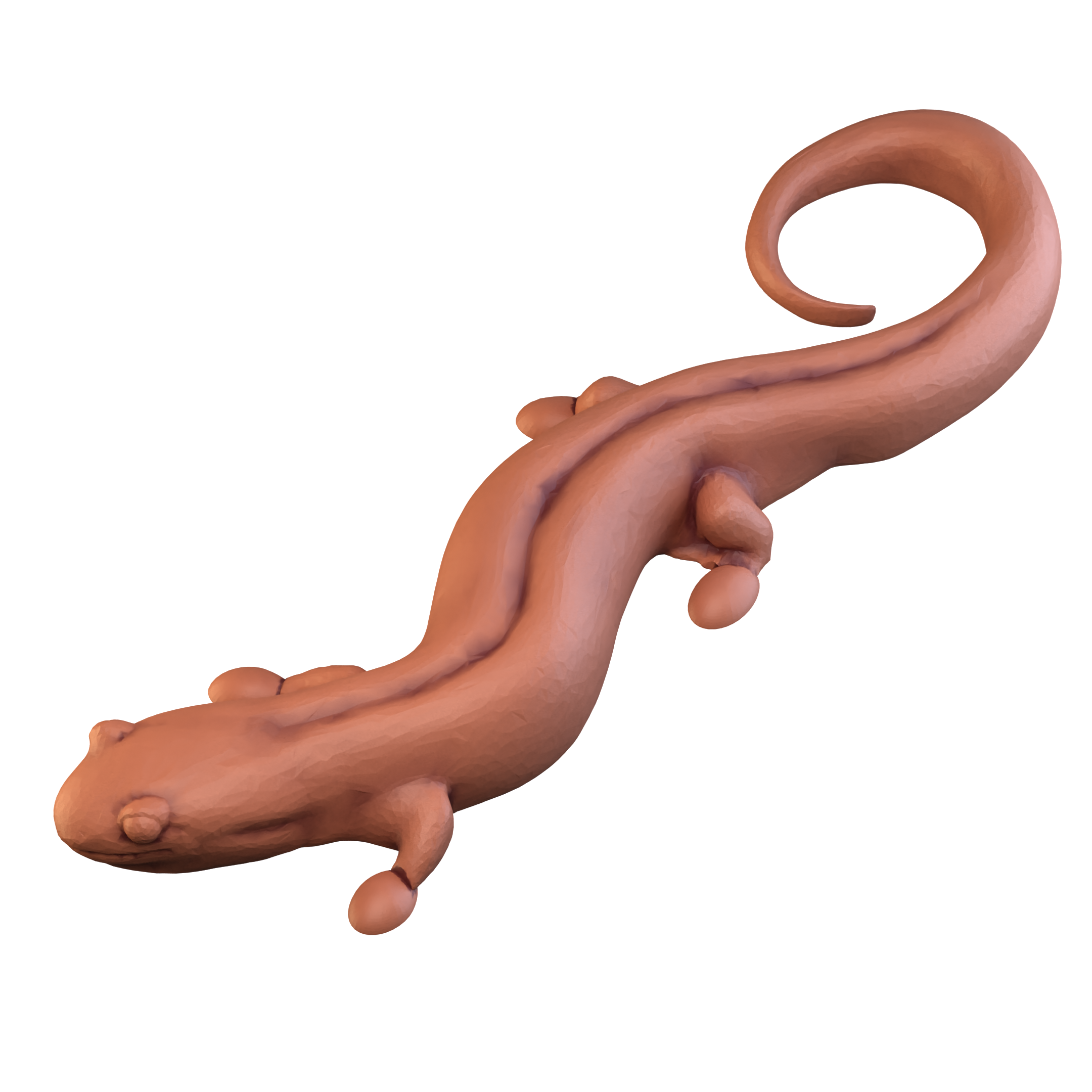
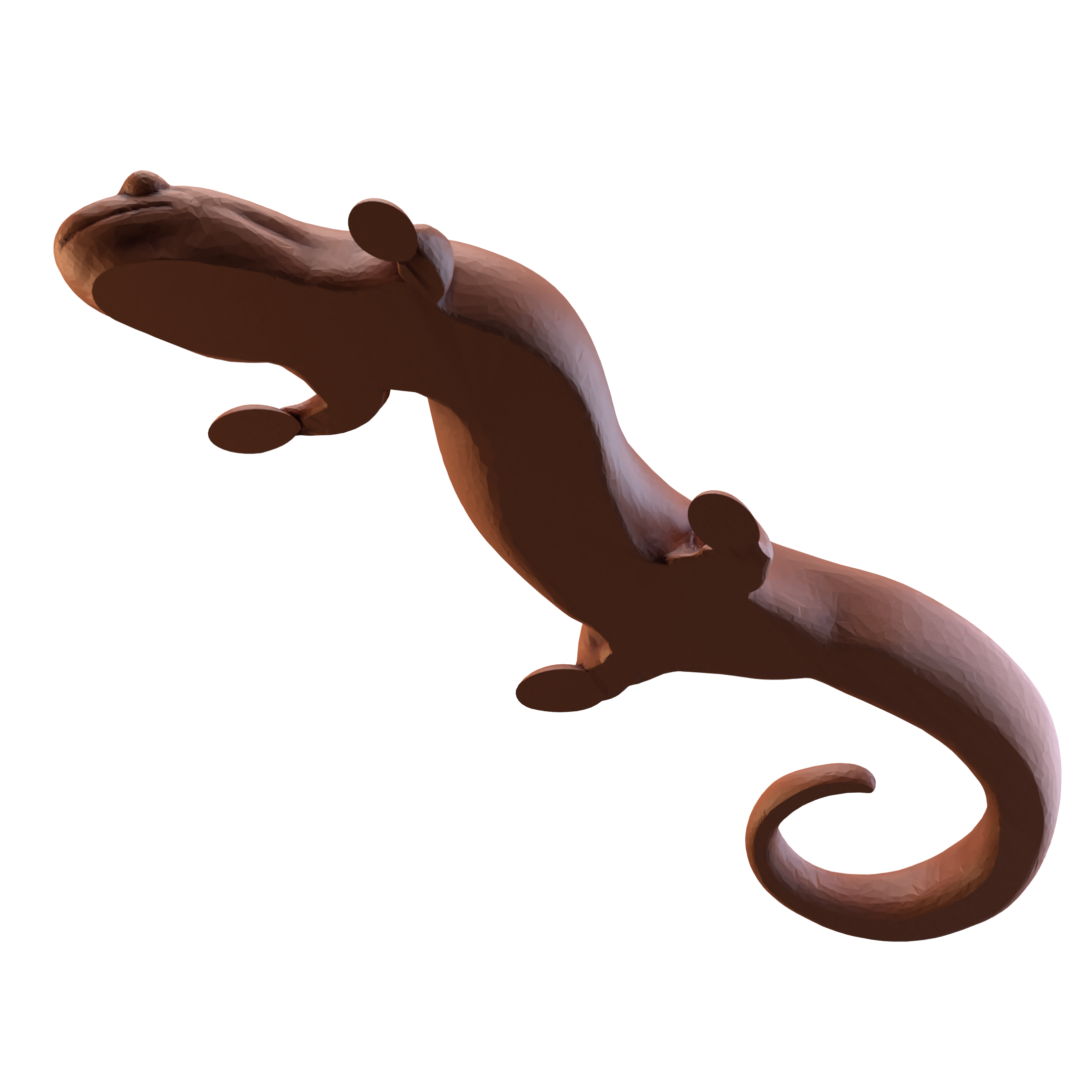
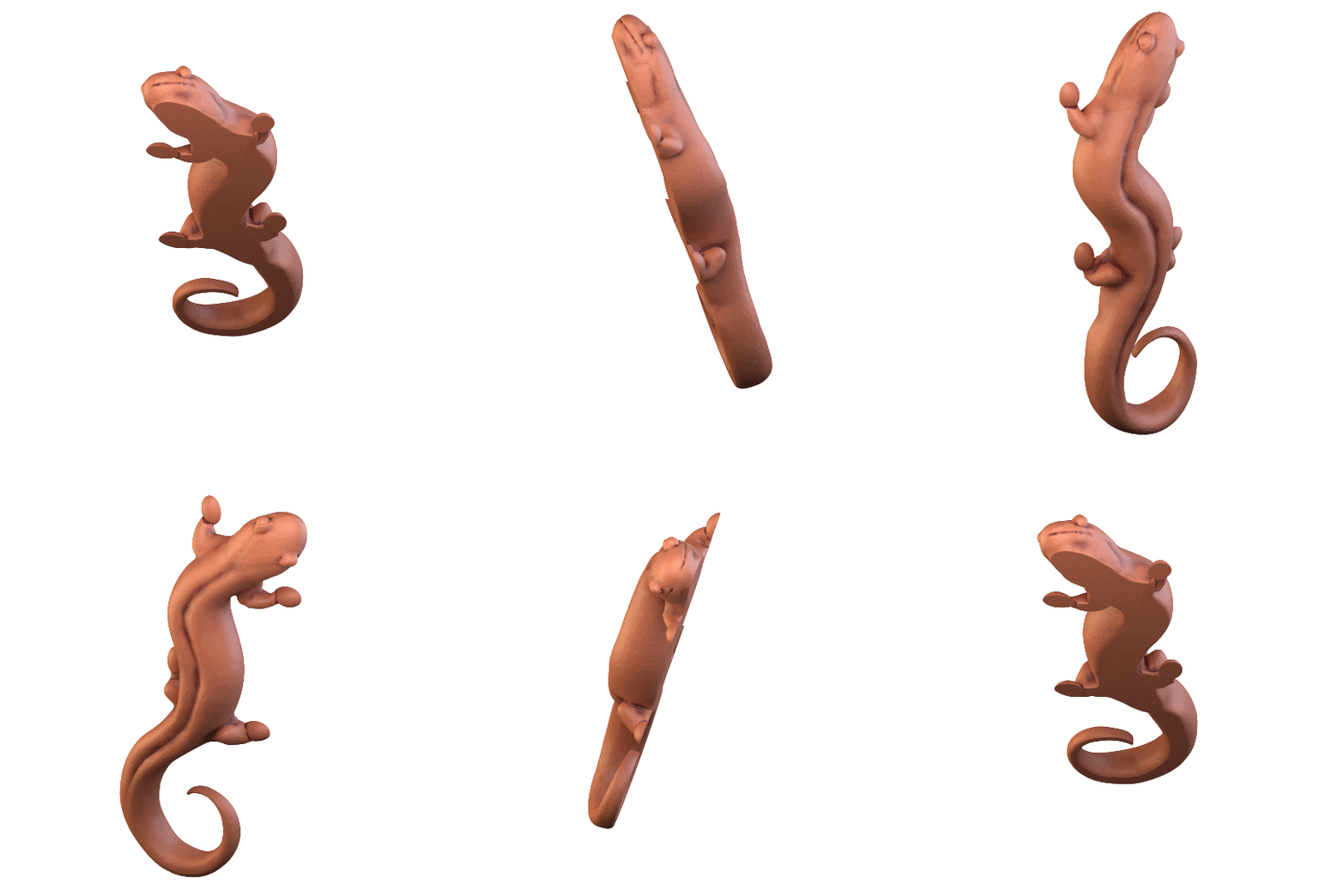
A research-ready 3D printable salamander model designed for creating silicone molds and casting standardized clay replicas (“Claymanders”) for predation studies. Simplified geometry, a flat base, and reduced detail make mold-making easy and results consistent.
This model is intended for research purposes so you have our expressed permission to use it for such. Please just adhere to the other terms and conditions described in the personal-use license.
✅ What You CAN Do:
- Download and 3D print the files for your own personal enjoyment
- Display your prints at home or in public (with attribution)
- Modify or remix the files for your own use
- Share photos of your prints on social media (tag us!)
❌ What You CANNOT Do:
- Sell physical prints - this requires a Commercial License
- Share or distribute the digital files with anyone
- Upload files to file-sharing sites or online repositories
- Use the files for any business or commercial purpose
- Use the files to train AI or machine learning systems
📢 Attribution Required:
When sharing your prints publicly, please give credit:
- Social Media: Tag our account + mention Savi Made in your caption
- Other displays: Include "Model sculpted by Lincoln Savi of Savi Made (savimade.ca)"
Description
“Claymander” Research-Ready Salamander 3D printable files
Designed for field ecology, the Claymander is a purpose-built 3D printable model that enables the casting of clay replicas for predation studies. Whether working in controlled experiments or outdoor field settings, we designed this model to provide a reliable, repeatable way to produce consistent clay organisms and reveal patterns in predator behavior.
Researchers use clay models like this to study predation attempts. We designed this 3D model to act as the positive form; the original master that a silicone mold is cast over. After creating the mold, you can melt and pour non-drying, oil-based modeling clay into it to produce standardized clay replicas.
Researchers place these clay “organisms” in natural environments, where they record interactions directly. Predators leave behind bite marks, pecks, and other attack signatures in the soft clay. By analyzing these marks, you can identify predator types, compare predation rates across habitats, and explore how factors like colouration, size, or placement influence predation attempts.
The Claymander is a modified version of our original salamander sculpture. We simplified the design to streamline mold-making and casting. We developed these modifications alongside active research use cases to reduce preparation time and limit variability.
Key modifications include:
Reduced surface detail
We softened or removed fine textures to minimize post-processing and ensure clean, readable predation marks.Simplified limb geometry
We replaced detailed feet with smooth oval forms to eliminate undercuts and improve mold release.Flattened bottom plane
We aligned the head, body, and limbs on a single flat surface, making top-pour silicone mold making and casting straightforward.
For a more detailed look into the process of how this model is used to make claymanders check out the guide written by Zach Liffmann.
The files are available in .stl format packaged in a .zip archive for ease of organization and distribution.
Our tested print settings: FDM
We successfully printed this model in PLA on an FDM printer using these settings:
- Nozzle size: 0.4mm
- Layer height: 0.12mm
- Wall thickness: 1.2mm
- Infill: 7% gyroid
- Support material: false
We oriented the model flat against the build plate.
Our tested print settings: Resin
We successfully printed this model in grey resin on an LCD 3D printer using these settings:
- Layer height: 0.05mm
- Hollowed: False
Feel free to use these settings as a guide or use your own preferred settings. They’re just the settings that we used when printing.
Due to the nature of resin printing, you will have to determine your own exposure settings because they are different for every brand of resin and printer.
Additional information
| Sculpt artist | Lincoln Savi |
|---|---|
| Finish |